OM meets...
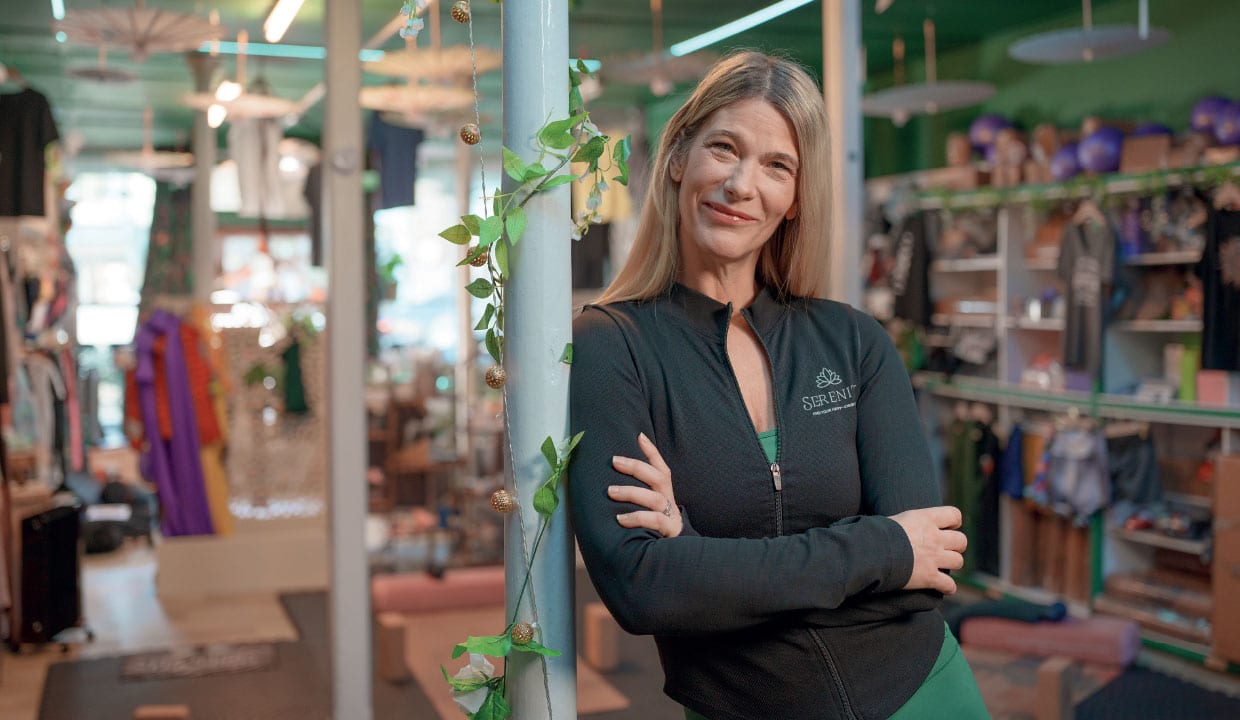
SERENA TAYLOR
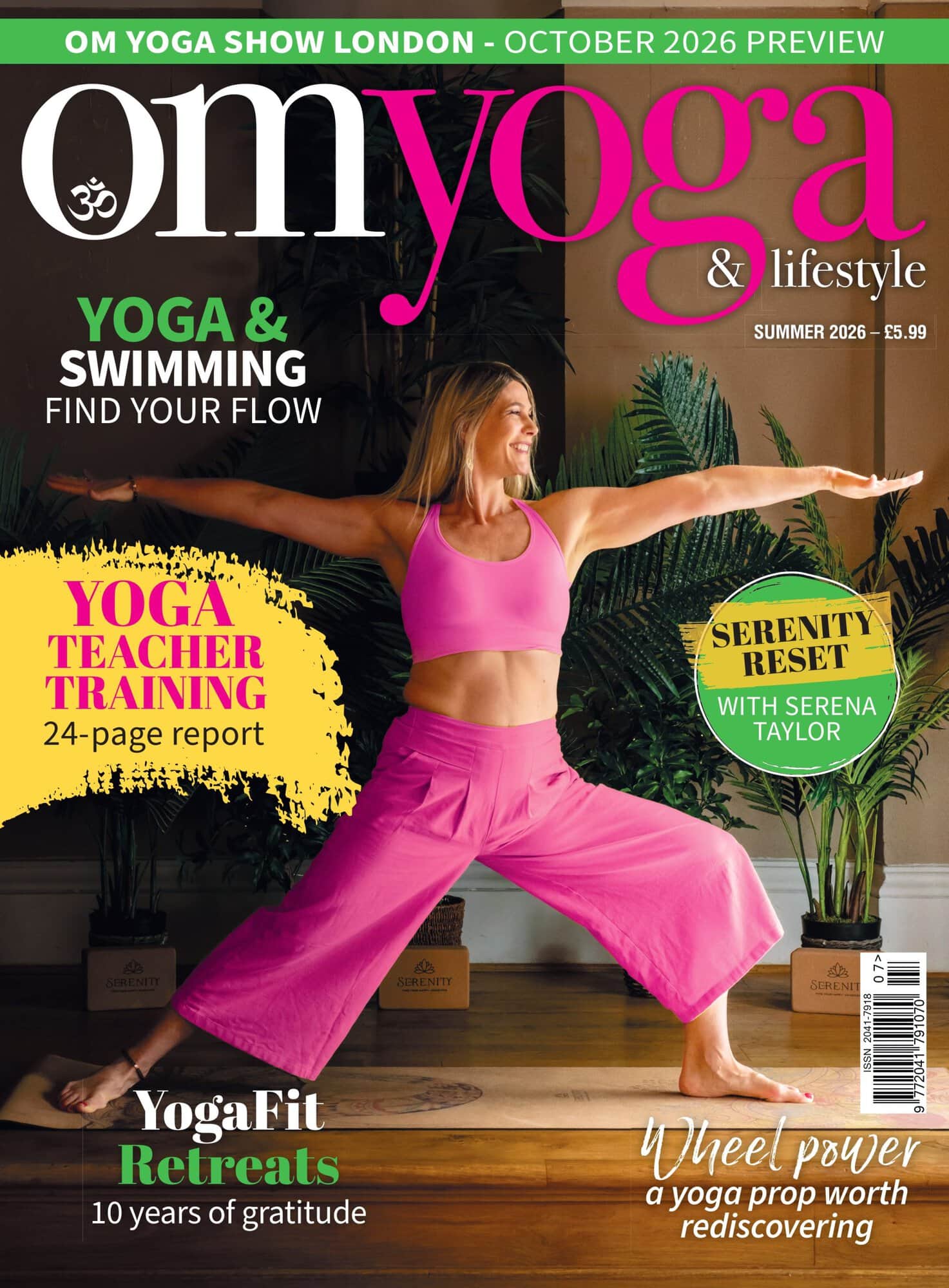
Our cover star for this issue, Serena Taylor, explains The Serenity Reset method and how it offers hope and calm in a frazzled world.
Can you tell us about The Serenity Reset?
The Serenity Reset method is a nervous system-centred approach to both preventing and recovering from burnout, fibromyalgia and other stress-related or nervous-system linked conditions. It is a multi-layered method, much like the nervous system itself, combining neuroscience, NLP, nutrition, breathwork, movement, meditation and human connection.
The approach also explores the importance of sleep, recovery, lifestyle and a variety of supportive therapies and strategies that can help regulate the body and improve overall wellbeing.
At the heart of The Serenity Reset is the understanding that every person arrives in burnout, pain or dysregulation through a unique combination of experiences, stressors, beliefs, lifestyle factors and nervous system patterns. Because of that, healing cannot always be one-size-fits-all. Each individual requires a compassionate, personalised pathway back towards balance, safety, energy and health.
Would you say it is especially relevant for modern times?
The ethos is that many people are not weak, lazy or broken. They are simply living with chronically dysregulated nervous systems in a world that constantly pushes humans beyond what we were biologically designed for.
Importantly, The Serenity Reset is not just about recovering from burnout, fibromyalgia or nervous system dysregulation, it is equally about preventing people from reaching that point in the first place.
So much of modern culture glorifies pushing through exhaustion, ignoring stress signals and wearing burnout almost like a badge of honour. My work tries to gently challenge that.
In practice, this means creating environments where people feel safe, seen and not judged. Whether I’m teaching chair yoga to older adults, supporting someone with burnout or fibromyalgia, leading breathwork or simply greeting somebody as they walk into class, the aim is the same — to help people move from chronic stress physiology towards a greater sense of safety, regulation and self-trust.
I also strongly believe healing and wellbeing do not have to involve extremes or perfection. Tiny consistent acts of self-care, rest, movement, breath and compassion can create profound long-term changes in both physical and emotional wellbeing.
How did the idea first come about?
It grew from my own experience of burnout while working full-time in teaching during a period of prolonged stress and emotional trauma, including the sudden death of my father. Eventually, while on sick leave, I received a fibromyalgia diagnosis.
Years earlier, before my own burnout, I had volunteered in Thailand following the 2004 Boxing Day tsunami, working with children from an orphanage who had experienced enormous trauma and loss.
One major difference stood out to me — the children in Thailand practiced yoga, movement, breathing and meditation every day as part of normal life. It made me begin asking deeper questions about the nervous system, trauma, resilience and whether practices that create regulation and safety in the body could influence long-term physical and emotional health.
Slowly, through yoga, breathwork, yoga nidra, nervous system regulation, nutrition, NLP and gentle movement, I rebuilt my own health and energy. I realised many people are not broken at all…they are often living in prolonged states of stress, alert and dysregulation.
Over time, this became The Serenity Reset method. I knew this information needed to be shared more widely, and when my beloved younger sister tragically died in her sleep at just 21 years old last year, writing became both a distraction from grief and a way of honouring her memory.
When did you first get into yoga?
I was first properly introduced to yoga in Thailand, where I experienced yoga as far more than just physical exercise. Seeing it woven into everyday life in such a grounded and therapeutic way stayed with me for years, although I probably did not fully understand its significance at the time.
When I returned to the UK and continued working in education, I naturally began weaving small elements of yoga into the school environment; simple breathing exercises, mindful movement and moments of stillness to help children regulate, focus and feel calmer.
Later, during periods of stress, burnout and healing in my own life, I began returning to those practices with a completely different perspective. I realised yoga was not really about performance or flexibility at all — it was about regulation, breath, safety, awareness and connection.
How did your yoga journey develop after that?
Over the years I continued studying yoga, breathwork, nervous system regulation and somatic approaches both scientifically and experientially. I later undertook advanced yoga teacher training at Sampoorna Yoga in Goa, India, alongside extensive continued professional development training across many different styles of yoga, different bodies and therapeutic approaches to movement and wellbeing.
My breathwork studies eventually led me to become a certified Advanced Breathwork Practitioner under Stig Severinsen alongside further studies with Dan Brulé and the Wim Hof method.
I also completed a Master Practitioner qualification in NLP and coaching, which further deepened my understanding of the relationship between thoughts, emotions, behaviour, stress physiology and human potential.
That combination of science, lived experience, nervous system education and therapeutic movement gradually became the foundation of The Serenity Reset.
How important are all these practices in fostering greater resilience or wellbeing?
I honestly believe they are becoming essential rather than optional. Modern life keeps many people in near-constant states of stimulation — rushing, multitasking, scrolling, worrying, overworking and rarely fully switching off. Practices such as yoga, meditation, breathwork and yoga nidra help create moments where the body can move out of persistent fight-or-flight states and towards greater regulation and recovery. For me personally, breathwork was one of the biggest game changers. Something as simple as learning how to breathe more slowly and efficiently can directly influence the nervous system, heart rate variability, stress hormones and even how safe the body feels internally. Importantly, these practices are not just for people already struggling with burnout or illness. They are incredibly powerful preventative tools too. This is one reason I believe retreats can be so valuable, they allow people the time and space to reconnect with themselves away from the constant demands of everyday life and begin the process of returning towards balance, health and fulfilment.
I would encourage people to seek out teachers and schools that are non-dogmatic — spaces where students are met as they are, and where practices are adapted to the individual. When yoga is taught this way, it becomes accessible to everyone, and people inevitably fall in love with it.
Do you think these practices also create a positive ripple effect?
Absolutely. A regulated nervous system does not just benefit the person practicing, it changes how they show up in the world. When someone is calmer, more rested and less reactive, they tend to communicate more clearly, parent more patiently, make better decisions and respond rather than explode. Stress is contagious, but so is calm. That is why I believe yoga, breathwork, meditation and nervous system education are not just personal wellbeing tools. They are social wellbeing tools too.
What advice would you offer someone intimidated by yoga?
I would say: you do not need to be flexible, fit, slim, spiritual, young, bendy or dressed head-to-toe in Lycra to begin yoga. Yoga is not about performing shapes or looking a certain way, it is about learning to listen to your body, breathe better, move with kindness and feel more at home in yourself. A good yoga class should never make you feel judged or not enough. Start gently, modify everything you need to, and remember that resting is not failing. For people who feel nervous about attending in person, I also offer online classes that can be joined from the comfort of home.
For those wanting a more immersive experience, I also run nervous-system centred retreats.
The Warrior Weekend in Wales on 24 26th July is inspired by the Chinese Five Elements philosophy and the energy of the Fire element — associated with vitality, confidence, connection, joy and personal expression.
Through a blend of NLP mindset work, yoga, qigong, self-defence, breathwork, deep rest practices and connection, guests are encouraged to release limiting beliefs, anchor in safety and begin stepping back into their power — mentally, emotionally and physically.
The Winter Waters retreat is a far more restorative experience, inspired by the Chinese Water element— associated with rest, reflection, nervous system repair, emotional healing and conservation of energy.
Guests are gently guided through deeply calming and nourishing practices including Yoga Nidra, yin yoga, meditation, breathwork, journaling, nervous-system regulation techniques, visualisation, rest practices, warmth, nourishing food and meaningful human connection.
The retreat honours the idea that healing does not always come from pushing harder — sometimes it comes from finally feeling safe enough to slow down.
What are your plans going forward?
I’m really excited about continuing to grow The Serenity Reset beyond the studio walls and making nervous-system-centred wellbeing more accessible to people everywhere through online classes, both group and 1:1 private sessions, workshops, retreats and coaching.
Alongside online yoga and nervous system-centred classes, I now offer The Serenity Reset programmes for both the prevention and recovery of burnout, fibromyalgia and nervous system dysregulation.
Retreats are also becoming a huge part of the vision moving forward, creating immersive spaces where people can step away from stress, reconnect with themselves and experience deep rest, regulation and transformation in beautiful natural settings. I am now working more within the corporate wellbeing world, designing workplace retreats and wellbeing programmes that help management teams and employees move into more balanced and regulated nervous system states. I’ve also just published my second book, The Serenity Kitchen: Nourishing the Nervous System.
I’m currently writing my third book, focusing more specifically on the relationship between breath and movement, and how they work together to support the nervous system.
Ultimately, my goal is to help shift the conversation around health from simply ‘coping’ or surviving, towards creating lifestyles and environments that genuinely support human wellbeing in a more sustainable and compassionate way.
Away from work, what else do you get up to?
I love being outdoors, walking, spending time with my husband, son and foster children, animals, nature and generally finding small moments of joy and calm where I can. I’ve always loved netball, and I still enjoy anything that keeps life playful, active and connected. I’m naturally very curious, so even when I’m ‘off’, I often find myself reading, learning or exploring more about breathwork, psychology, nutrition, the nervous system and how humans heal.
Is there anything else you would like readers to know?
I think one of the most important things I would want people to know is that struggling does not mean you are weak, lazy or failing. We live in a culture that often rewards exhaustion, busyness and constant productivity, but healing, wellbeing and even creativity tend to flourish when the body feels safe, rested and supported.
I would also love people to understand that yoga is not really about touching your toes or tying yourself into complicated shapes. At its heart, yoga is about connection: connection to breath, body, mind, other people and ultimately yourself.
People can also listen to my recent podcast with Shona Garner, as well as watch my in-depth interview with Anne Dawson of TrueNorth on my YouTube channel, where we spent almost an hour discussing nervous system health, burnout, healing and wellbeing in a really open and engaging conversation.
Whether someone joins me online, attends a retreat, reads one of my books or simply learns one calming breath technique that changes how they move through stress, I hope my work helps people feel more hopeful, empowered and at home within themselves again.
More information about classes, retreats and books can be found at: serenityknighton.co.uk
The nervous system Serenity Reset Programmes can be found at: TheSerenityReset.co.uk
YouTube: @TheSerenityReset
QUICK Q&A
Favourite yoga book?
Yoga Nidra by Swami Satyananda Saraswati or Breathe by James Nestor.
Go-to health food or drink?
Rooibos tea: naturally caffeine free, full of antioxidants, and with oat milk it still feels like a proper comforting cup of tea. Treat-wise? Ceremonial cacao with date syrup.
Favourite quote?
“Grant me the serenity to accept the things I cannot change, the courage to change the things I can, and the wisdom to know the difference.”
Favourite yoga pose, and why?
Wild Thing (Camatkarasana), often translated as ‘the ecstatic unfolding of the enraptured heart.’ I love both the freedom of the pose and the beauty and accuracy of its Sanskrit meaning. It feels expansive, energising and joyful.
If you could take a class with any teacher, past or present?
Currently, I love learning from Nathania Stambouli because now my own nervous system is healthier, I can patiently and safely explore arm balances in my 50s that I would never have believed possible in my 20s.

Om Magazine
First published in November 2009, OM Yoga magazine has become the most popular yoga title in the UK. Available from all major supermarkets, independents and newsstands across the UK. Also available on all digital platforms.