
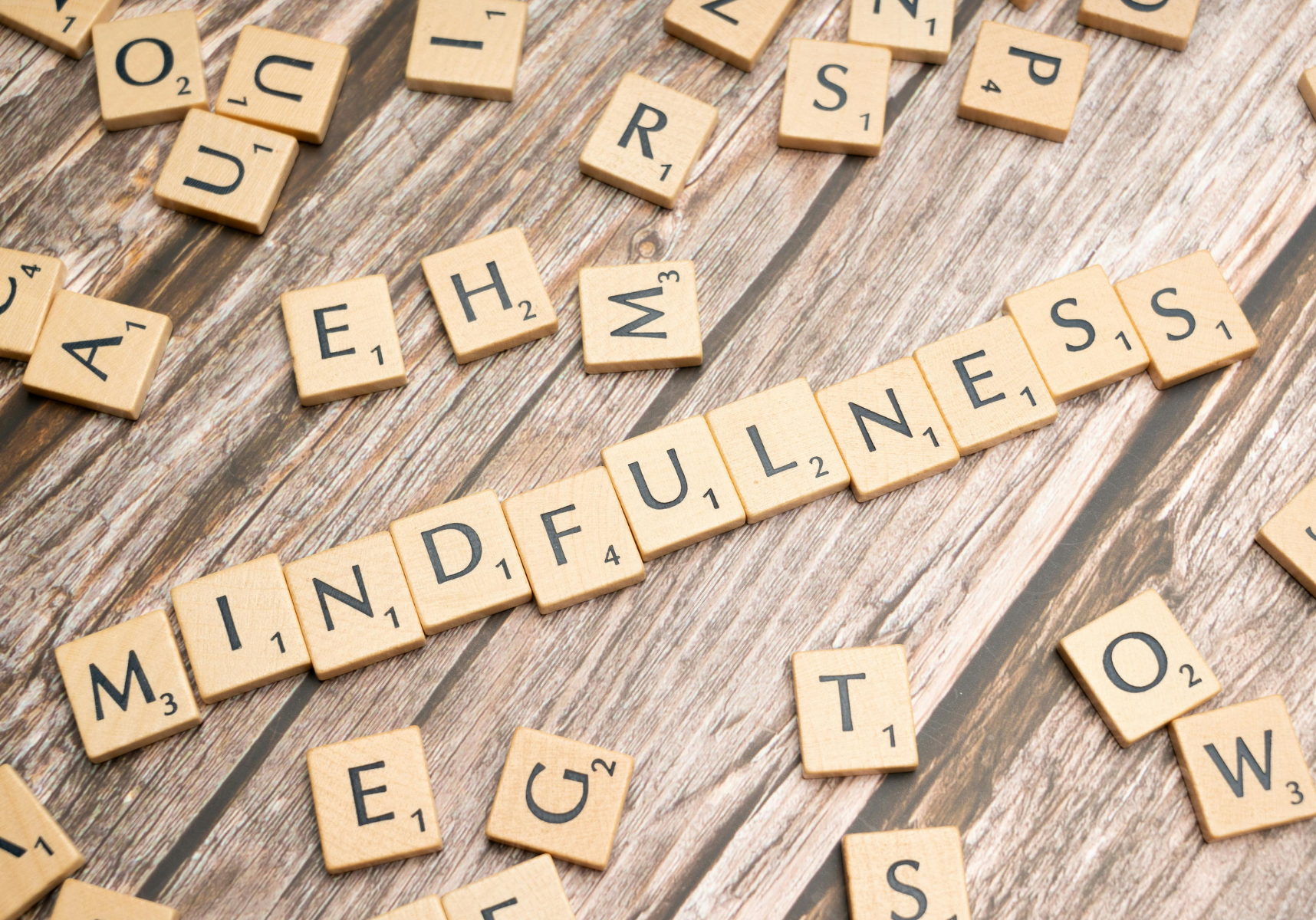
Too Busy to Slow Down? 10 Mindfulness Habits to Reset Your Mind
Mindfulness doesn’t need a lot of your time. It grows through simple everyday habits. By bringing awareness into daily life, you can ease stress, quiet your mind and build lasting inner calm.
Reading time: 4 minutes
Mindfulness doesn’t need a lot of your time. It grows through simple everyday habits. By bringing awareness into daily life, you can ease stress, quiet your mind and build lasting inner calm.
In a culture driven by novelty, mindfulness is often reduced to a buzzword for marketing wellness. As such it can begin to feel like just another task to add to your to-do list. Something that requires extra time, perfect conditions or more discipline. Most of us wake to alarms, check our phones too soon, move quickly through our routines and carry the quiet pressure of everything waiting to be done.
Where is the time for mindfulness?
Mindfulness doesn’t need a rigid structure. You simply need to interrupt the constant rush of unconscious doing. The action itself may be ordinary but the intention behind it changes everything. When you do a daily activity with awareness, you bring your full attention to it. You notice sensation, breath and movement. Every moment becomes an opportunity to return to yourself. Not just while doing something but also in the spaces in between.
So turn off your inner auto-pilot and choose habits that build inner steadiness over time. Here are 10 habits that can make mindfulness an inseparable part of your life:
- Morning Quietness
Before the world rushes in, create a few minutes of silence for yourself. Avoid checking your phone immediately. Sit with your breath, ease your body into movement through gentle stretches or simply observe your thoughts. This practice grounds you before external demands take over. Start the day from a place of awareness rather than urgency.
- Eating Without Distractions
Turn at least one, if not all, meal into a mindful experience. Eat slowly without screens. Notice the flavors, textures or even the very act of chewing itself. Enjoy your food. This habit may support healthier digestion while also reconnecting you with the simple act of nourishing yourself. It may improve mood and can lead to healthier eating habits.
- No-Rush Commuting
Whether you’re walking, driving, taking the train or the bus, let your commute be calm rather than rushed. Plan your commute in such a way that you can travel without undue stress or pressure of running late. Once you step into your commute, resist the urge to fill every moment with doomscrolling. Instead, look out of the window. Actively notice your surroundings. This mindful approach transforms a mundane everyday activity into an exercise in observing the details of the city, town or village you live in or commute to. It might surprise you how much of it goes unnoticed. It can also serve as a gentle mental exercise and may help reduce feelings of mental fatigue.
- Reduce Multitasking
Whatever you’re doing, give it your full attention. Instead of multitasking, focus on one activity at a time. In a world of rigorous deadlines, we often go from one task to another without much thought. Approaching each task with intention can improve concentration and lead to more thoughtful results. Over time, this practice may reduce mental clutter while bringing greater clarity and quality to your actions.
- Noticing Yourself
Don’t forget to pause and check in with yourself. How are you feeling? Are you okay? Don’t wait for someone else to do it for you. Look at yourself in the mirror and appreciate what is, rather than worrying about what could be. If certain situations made you react in ways you regret, take a moment to notice and reflect on them without harsh judgment. Mindfulness is also about honestly acknowledging difficult truths about yourself, even when they feel uncomfortable. Developing self-awareness can help you navigate life with greater clarity and understanding.
- Conscious Breathing
Your breath is always with you, making it the simplest anchor to the present moment yet we sometimes forget to take a long, deep breath. A few intentional breaths, especially when you feel stressed or overwhelmed can help calm your nervous system and reduce stress immediately. A good starting point is to take a few deep, slow breaths before starting a new task. Inhale and exhale without forcing it.
- Active Listening
In our daily lives, sometimes we end up speaking more than listening. We are constantly preparing a response to sound more involved and interesting. However, what is actually needed is active listening. When interacting with others, listen deeply without interrupting or planning your response. Notice tone, body language and emotion. Practicing active listening may help improve social awareness. You’ll be surprised by all the things you’ve failed to notice even though they were right there in front of you. This habit strengthens relationships and makes conversations more meaningful, shifting them from superficial exchanges to genuine connections.
- Leave Space for Stillness
Not every moment needs to be filled with activity. Allow small pockets of stillness in your day. Sit quietly. Do nothing. Let yourself be. These pauses may feel uncomfortable at first but they create room for clarity and calm to emerge naturally. It may help reduce feelings of anxiety and mental overwhelm. After all, stillness is a gift that fosters spiritual growth.
- Technology Sunset
Set a time in the evening when you step away from screens. Let this be your sunset from the digital world. Use this time to unwind. Read, reflect or simply relax. Practicing this regularly may support better sleep, reduce mental overstimulation and help your mind unwind more naturally.
- Gratitude and Reflection
Take a moment each day to acknowledge what you’re grateful for. It could be anything. Pair this with a gentle intention for what you want to invite into your life. Shifting your focus from lack to abundance can help align your mindset with what truly matters to you. A more positive mindset can encourage healthier emotional patterns.
Mindfulness is not a cure for chronic stress or anxiety disorders but building these simple habits may help create small moments of steadiness in your busy life. Over time, they can gradually contribute to a greater sense of balance and well-being. You don’t need to practice all of them at once. Start with one or two and let them gently integrate into your day. Always remember, mindfulness isn’t about doing more, it’s about being more present in what you already do. So pick one habit and begin your mindfulness journey today!

Puja Chakraborty
Puja is a certified yoga trainer and freelance writer based out of Bengaluru, India. She has been practising yoga for over a decade. She teaches Hatha yoga in both online and offline mode.