
Back in Shape
How one yoga teacher found her way back to fitness after a debilitating disc herniation that left her unable to work
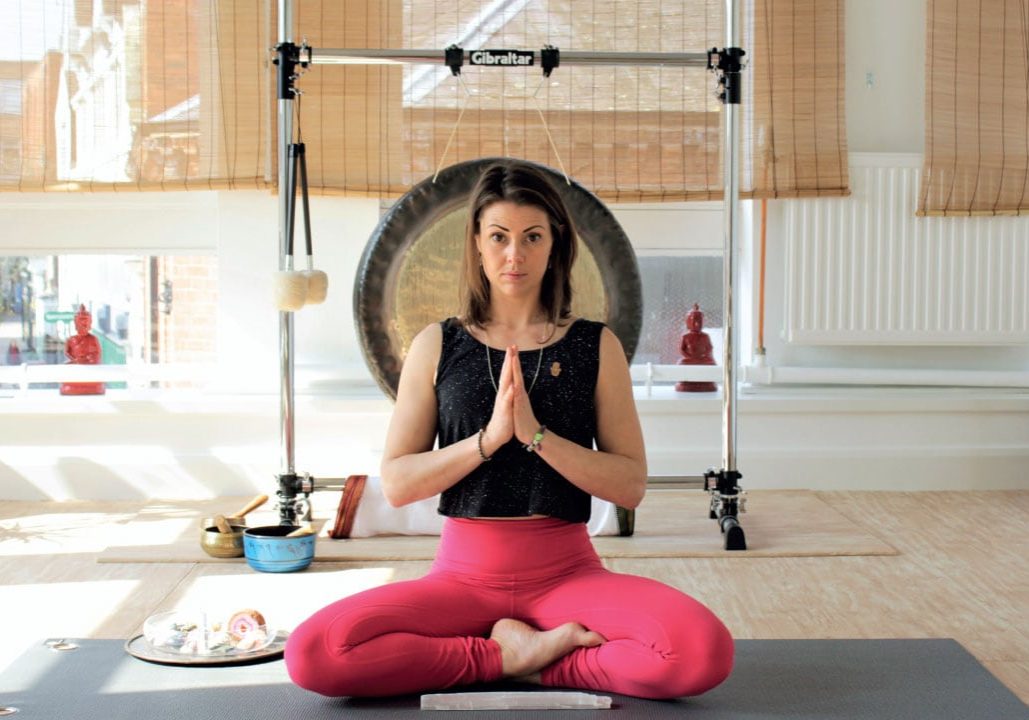
At 40, Jessica Morris has always considered herself strong, resilient and deeply in tune with her body. A yoga teacher and personal trainer based in Malvern, she has spent decades prioritising her health and helping others do the same.
Whether she’s teaching classes to people aged 16 or 70 or training alone in the gym, she is meticulous about movement, technique and form. Injury prevention has always been part of her professional DNA. Which is why what happened in 2024 came as a shock.
During a routine deadlift session, she felt a sudden ‘tear’ in her lower back and was convinced she had pulled her sacrum. The pain lingered for months, coming and going. Assuming it was muscular, she carried on teaching and lifting, trusting it would resolve with time.
But one evening at home last year, everything changed. A sharp sciatic pain shot down her left leg. It was later diagnosed as a herniation of the L4/L5 disc. The pain was so severe she couldn’t get up from the floor.
“As someone who considers herself in top physical shape, I never imagined I could end up in so much pain,” she says. “When it first happened, I was absolutely terrified – the pain was so intense and after a week spent pretty much on the floor, I was genuinely worried about my chances of making a full recovery. Being self-employed, I was also really concerned about being well enough to get back to work again.”
Working in the health and fitness industry meant she had physiotherapy friends she could call on. That first night, they moved her duvet and pillow downstairs so she could sleep on the lounge floor. Climbing the stairs or getting on and off a sofa or bed was simply impossible.
For the next week, the pain was relentless. She could barely walk, had to cancel her teaching commitments and relied on up to five different medications daily just to cope.
“In my line of work, I understand how the body is designed to move, the precautions to take when lifting weights and so on, so never imagined I would be someone who would be completely wiped out by back pain,” she says. “But, it just goes to show how we are all susceptible and highlights just how important our back health is.”
Back in Shape
After a week of complete immobilisation — and mounting fear about what the injury might mean long term — she was finally able to move gently again. Determined to take control of her recovery, she began researching targeted exercises for back pain. That’s when she discovered online videos by back specialist and lead osteopath Michael Fatica from the Back In Shape programme (backinshapeprogram.com).
Within two weeks of following the structured exercise programme, she began noticing improvements, particularly after incorporating a simple towel stretch. Encouraged, she committed to performing the routines daily. Gradually, the pain began to release.
“My back pain was truly one of the most frightening experiences and left me feeling completely helpless,” she says. “I never imagined that simple, consistent, resistance-based exercises could have such an impact and prevent the need for weeks spent in bed and on pain medication.”
Nine months on, she continues to follow the programme and describes herself as 99% pain-free. While she occasionally experiences a flare-up, she now feels equipped rather than afraid. One exercise, in particular, known as the ‘dead bug’ exercise, has become a staple, alongside hot and cold therapy when needed, she adds.
Today, Morris is back to doing what she loves: moving, teaching and training — but with a renewed respect for spinal health and recovery. Her experience is a powerful reminder that even the fittest among us are not invincible, and that when it comes to back pain, early action and consistent rehabilitation can make all the difference.
“As well as now being armed with a comprehensive range of exercises to help alleviate as well as prevent back pain in the future, I also feel I have a much better understanding of how the spine works, the importance of resistance exercises in helping to ensure the back muscles are strong enough to support the entire body.”
Taking action
For Michael Fatica, it is a story that underscores a wider issue in back care. “Jessica’s experience highlights just how important it is to gain a professional diagnosis and take action straightaway,” he says. “Too many people live with back pain for months, even years, before trying to understand the root of the problem. Yet, living with back pain for 12 weeks or longer means there is a real likelihood of developing long-term, chronic pain.”
He adds that while a herniated disc is both serious and common, early, structured rehabilitation can make a significant difference. “Although a herniated disc is a serious, yet common, injury, Jessica started the right rehab and relatively early on, so she has been able to make good progress. This is what makes her case so unique and really highlights the importance of dealing with back pain, as opposed to just taking pain medication and hoping it will right itself with time – this never happens!”
Please consult your GP or a medical professional if you are thinking of embarking on any health and fitness programme, especially if you have back related concerns or history of back trouble.
Boost Your Back
Michael Fatica, lead osteopath and co-founder of Back in Shape (backinshapeprogram.com) recommends incorporating the following resistance-based exercises into daily fitness regimes to help both manage and prevent back pain:
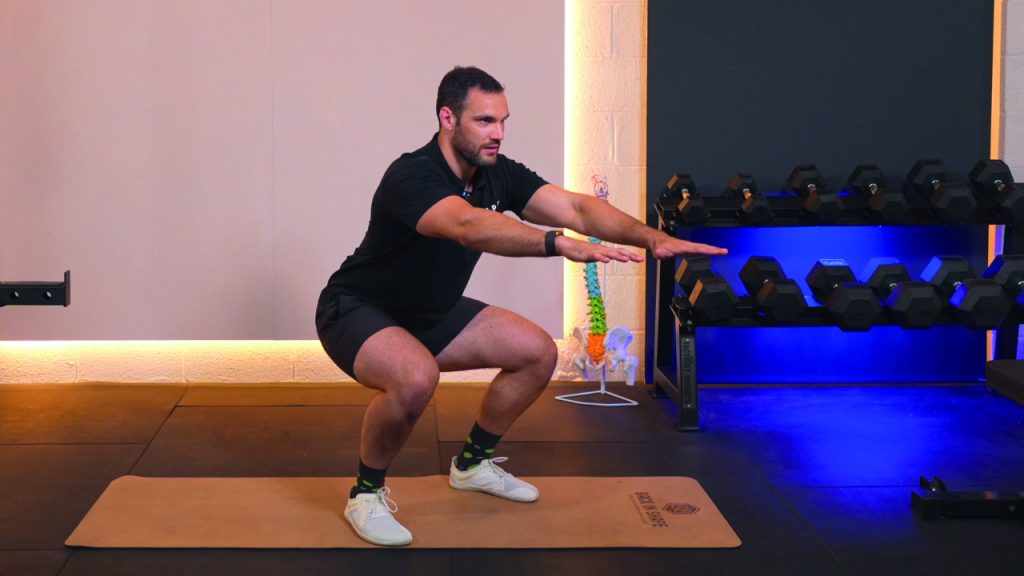
THE SQUAT
10 repetitions total, repeat 3 times at your own pace
• Stand with your feet shoulder-width apart
• Your feet should be facing forwards or slightly outwards
• Bend your knees and push the hips back and keep your back straight
• Picture yourself sitting on a chair
• Then drive through your feet and slowly return to the starting position
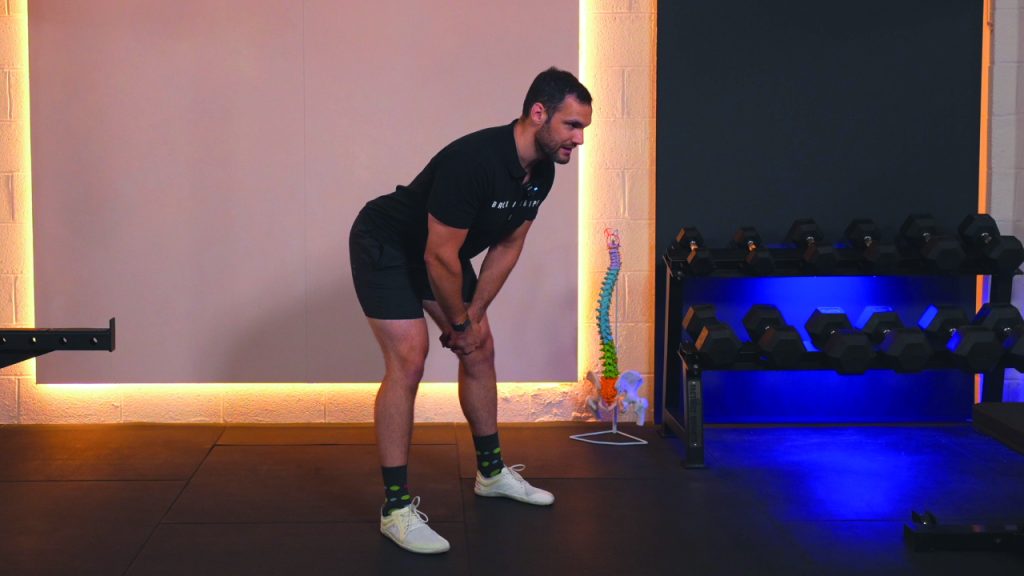
THE HIP HINGE
10 repetitions total, repeat 3 times at your own pace
• Start with your feet shoulder-width apart with good posture and slightly bent knees.
• At the hips slowly lower your torso like a drawbridge without bending your knees.
• Lower until you feel the back of your thighs stop you from going further.
• Then return to the starting position


Om Magazine
First published in November 2009, OM Yoga magazine has become the most popular yoga title in the UK. Available from all major supermarkets, independents and newsstands across the UK. Also available on all digital platforms.