A Quiet Revolution In Youth Mental Health
The success of a pioneering yoga therapy programme at Child and Adolescent Mental Health Services in Southampton
When a young person steps into CAMHS (Child and Adolescent Mental Health Services) in Southampton, they are often carrying an invisible weight: anxiety, trauma, eating disorders, or a sense of disconnection from themselves.
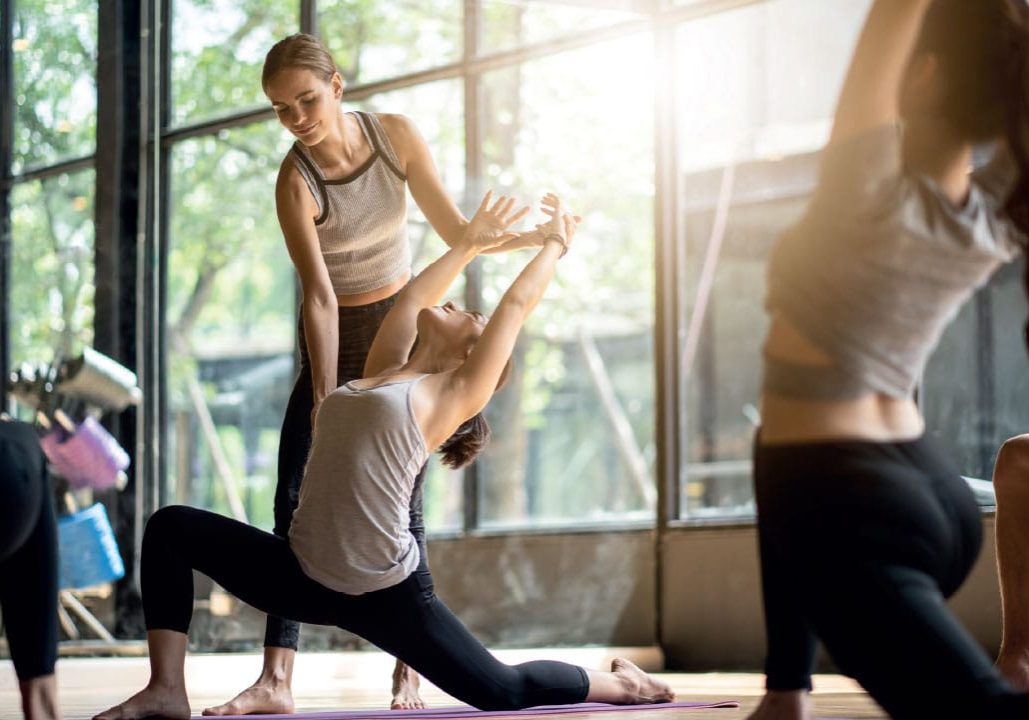
The clinical corridors can feel daunting, but behind one door, something quite different is happening. Mats are rolled out, gentle breathing fills the room, and young people are invited to find safety in their own bodies. This is the yoga therapy pathway — a groundbreaking initiative that is transforming lives from the inside out.
Visionary Dr Jo Barker, consultant psychiatrist of CAMHS in Southampton, first lit the spark for this work after completing a TeenYoga training with Charlotta Martinus. “I had been searching for something that could meet young people where they are,” she reflects. “Talking therapies can be powerful, but not every child is ready for them. Some find it impossible to put feelings into words. I realised that yoga could offer an embodied language of healing, a way back into connection with the self.”
From pilot to permanent
The pilot launched in April 2023, with a dedicated yoga practitioner embedded within CAMHS. The idea was simple but bold: to create a pathway where children and teenagers could access trauma informed yoga therapy as part of their care. Within 12 months, over one hundred young people aged 6 to 17 had taken part. The response was so positive — from families, clinicians, and, most importantly, the children themselves — that the role was made permanent in April 2024.
These are not yoga classes in the usual sense. Each session is carefully designed to meet the needs of the individual child, whether through one to-one sessions, parent-and-child work, or small therapeutic groups. Movement, breath, relaxation and mindfulness are combined with themes of self-compassion, acceptance and resilience. Children are encouraged to notice their bodily sensations and learn what they signify, gradually developing both top-down cognitive understanding and bottom-up somatic awareness.
As one parent explained: “Before yoga, my child would hit out and shout. Now they take themselves away to calm down. It has given them a tool they can use in the moment, and the difference at home is huge.”
Who benefits?
The pathway has been particularly helpful for children struggling with emotional regulation, trauma, eating disorders, anxiety, or a sense of disconnection from their bodies. Some have been non-verbal; others have refused school because of overwhelming anxiety. In each case, yoga has offered a gentle way in.
One mother described her astonishment: “My son has never been able to tell me what he’s feeling. After yoga, he came home and said, ‘Mum, I feel it here in my tummy.’ He’s never done this before.”
Another young person, who had lived with an eating disorder, said: “I feel different in my body now. I can do things that seemed impossible before.” Clinicians, too, have been impressed. A consultant psychiatrist shared: “When I think of how complex the issues were when I started working with this child, and where he is now, I’m really impressed with his progress. Yoga has been a significant part of him learning crucial new skills.”
Measurable impact
Alongside the stories, the numbers are striking. Standard outcome measures such as the Revised Child Anxiety and Depression Scale (RCADS), Strengths and Difficulties Questionnaires (SDQs), and bespoke tools on self-compassion and bodily awareness all showed improvements. Children reported feeling calmer, more grounded and better able to manage stress. Parents noticed changes in sleep, mood and family interactions. Schools observed pupils helping peers with breathing practices or taking space instead of lashing out.
One parent said simply: “This is the most successful intervention so far.” Another added: “School has noticed a big change. She now helps other pupils with breathing practices. It’s amazing to see her supporting others with skills she’s learned.”
Over a hundred children engaged with yoga therapy during the pilot year, most through one-to-one sessions. Engagement rates were particularly high when children were involved in giving consent themselves, rather than parents signing them up without discussion. Boys, initially hesitant, responded well once myths about yoga were dispelled through introductory sessions.
Stories of change
For one teenager, yoga was literally lifesaving. “I would not be where I am without Bernadette’s help,” she said of her yoga therapist. “She is one of the reasons I made it to my 16th birthday.”
For another child with ADHD, the small group setting offered a new way to regulate emotions. Their parent said: “Would 100% recommend this for a child with ADHD. It has helped my son find ways to manage his emotions that nothing else has.”
For a family in crisis, the transformation was profound: “Before yoga, our daughter’s anxiety ruled our household. Now she has tools she uses every day — she sleeps better, she takes herself away to calm down, she’s able to talk about her feelings. It’s changed everything.”
Building the evidence
The Southampton programme is now being studied by two trainee clinical psychologists from the University of Southampton, who are conducting doctoral research — one using qualitative methods, the other quantitative. Their findings, expected in 2026, will be published in peer-reviewed journals and could play a key role in building the evidence base for yoga in child and adolescent mental health.
CBT therapist feedback is already clear: “I had worked with this young person twice over the years. It was obvious that his anxiety was experienced primarily through his body. CBT would have reached another stuck point. Having a yoga practitioner on the team was invaluable. It gave him a breakthrough in how he relates to and manages his anxiety.”
A vision for the future
For Dr Barker, this is just the beginning. “The pilot showed us that yoga therapy has a vital place alongside our existing treatments. It doesn’t replace what we do — it enriches it. Young people learn skills they can carry into daily life, and that’s what makes it powerful.”
Charlotta Martinus, who has trained thousands of TeenYoga practitioners and reached approximately one million young people worldwide, believes this integration marks an exciting shift.
“Teenagers are in a state of becoming. Yoga grounds them, gives them resilience and reconnects them with themselves. To see CAMHS embedding this within their service is truly visionary.”
At its heart, the Southampton pathway is about giving young people a quiet corner of stillness in the storm of adolescence. As one child put it: “I have new ways to stop the swirling in my tummy.”
What began as a pilot has become a permanent service. And what started as a vision in one psychiatrist’s mind is now a lived reality for young people who are discovering, through yoga, that healing can begin with a single breath.
Dr Jo Barker is on the faculty of the TeenYoga Yoga Therapy Training Programme launching in autumn 2026. This course trains yoga enthusiasts to become yoga therapists within CAMHS. The faculty consists of many eminent visionaries from the world of youth, medicine, therapy and yoga. For more information visit: teenyoga.com

Om Magazine
First published in November 2009, OM Yoga magazine has become the most popular yoga title in the UK. Available from all major supermarkets, independents and newsstands across the UK. Also available on all digital platforms.