Sun-Kissed Serenity: A Two-Decade Journey of Yoga Under the Sun
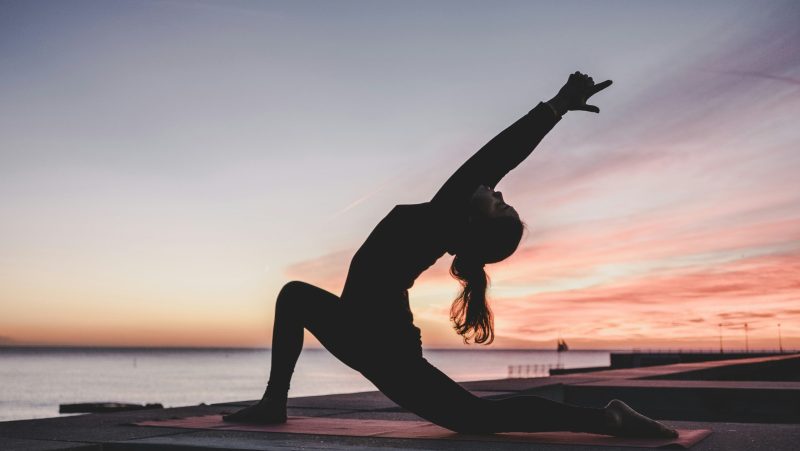
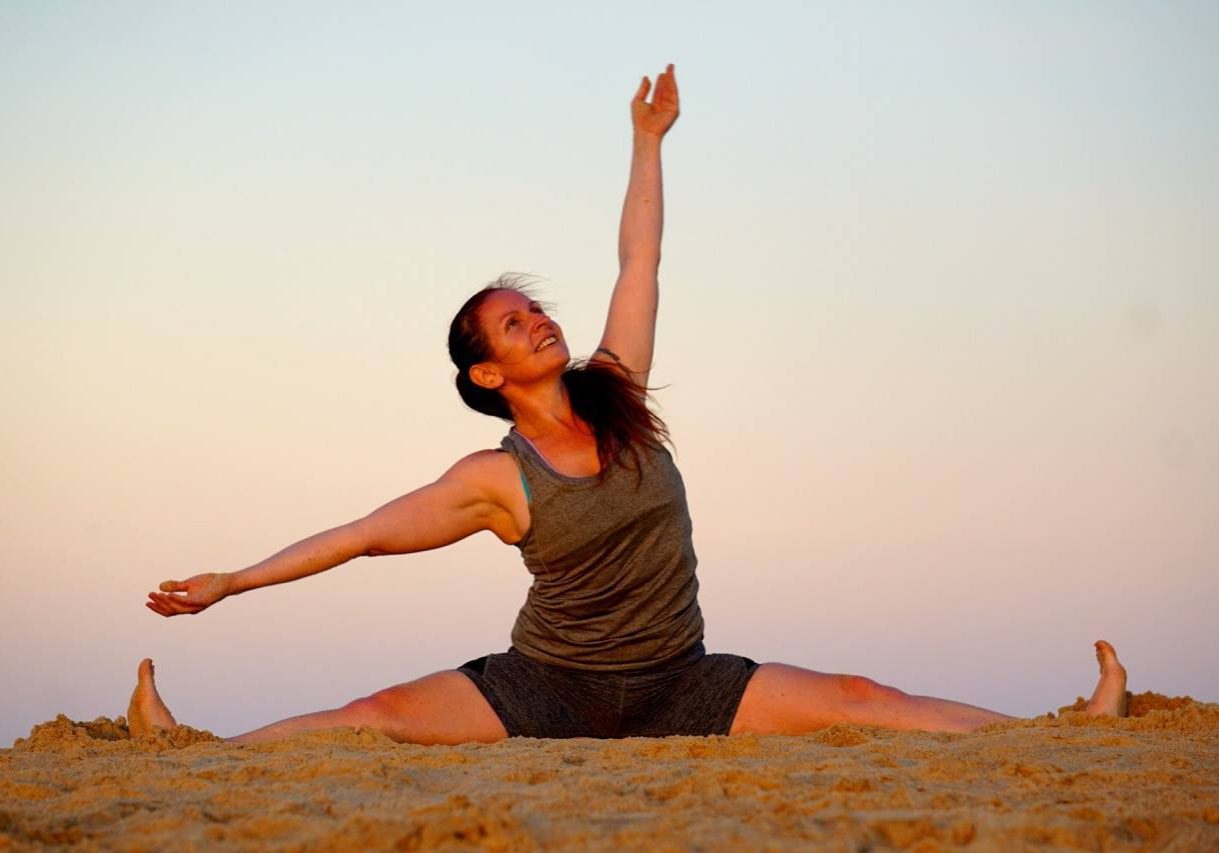
The first rays of sunlight hit my skin, a warm, gentle touch that signals the start of my day. For nearly twenty years, this has been my morning ritual: rolling out my mat, breathing in the fresh air, and greeting the sun with my yoga practice.
Reading time: 4 minutes
The first rays of sunlight hit my skin, a warm, gentle touch that signals the start of my day. For nearly twenty years, this has been my morning ritual: rolling out my mat, breathing in the fresh air, and greeting the sun with my yoga practice. It’s more than a habit; it's a profound connection to the world around me, a dance between my body, my breath, and the great cosmic energy of our solar system's star. I’m Sara Andrew, and my journey with yoga has been inextricably linked with the sun's presence. There's a certain magic that happens when you combine the ancient practice of yoga with the life-giving energy of the sun. It's not just about a vitamin D boost; it's a holistic experience that nourishes the body, mind, and spirit in ways that indoor practice simply can't.
I've practiced in sun-drenched gardens, on sandy beaches, and in the quiet solitude of my own backyard. Each setting offers a unique communion with nature. The warmth of the sun on my skin helps my muscles relax, allowing me to deepen into poses with a sense of ease and fluidity. The natural light illuminates the path ahead, both literally and metaphorically. But what’s really going on? Is there a deeper scientific reason for this feeling of well-being, or is it just the romantic notion of a yogi in harmony with nature? To get to the bottom of this, I sought out someone who knows the science behind health and well-being like few others: Fredrik Paulún.
Fredrik Paulún is a name synonymous with health and nutrition in Sweden and beyond. An international best-selling author and a true expert in the field, he was the perfect person to shed light on my sun-drenched questions. When I sat down with him, I wanted to understand not just the "what," but the "how" and the "why." How does the sun actually assist in yoga and being outdoors while practicing? Our conversation was an eye-opener, confirming many of my long-held intuitions and providing a scientific foundation for the magic I've felt for two decades.
"The connection between the sun and our bodies is fundamental," Fredrik began, his voice calm and authoritative. "We evolved under the sun. Our circadian rhythms, our mood, our metabolism—all are deeply influenced by light exposure. When you practice yoga outdoors, you're not just exercising; you're syncing your entire being with the natural rhythm of the planet."
The Symbiosis of Sun and Yoga: A Deep Dive into the Science
Our discussion quickly moved from the philosophical to the physiological. Fredrik explained that the sun’s influence on our bodies during exercise is multifaceted. The most obvious benefit, of course, is the production of vitamin D. When our skin is exposed to UVB rays, it synthesises this crucial nutrient. "Vitamin D isn't just for bones," Fredrik explained. "It plays a key role in muscle function, immune health, and even mood regulation. For a yoga practitioner, this means better muscle tone and less fatigue. It also means a stronger immune system, which is essential for consistent practice."
He elaborated on the importance of muscle function. "A body with sufficient vitamin D levels is more efficient. This translates to better muscle performance and a reduced risk of injury, which is a huge benefit for a physical practice like yoga. It's like having a well-oiled machine. And beyond the physical, vitamin D has been shown to reduce symptoms of depression and improve overall mental clarity. This is particularly relevant to yoga, which is a practice that seeks to unite the mind and body."
But the benefits don't stop there. Fredrik brought up the concept of circadian rhythms. "Sunlight is the primary cue for our body's internal clock," he said. "Practicing yoga outside, especially in the morning, helps to set this clock. This leads to better sleep patterns, which are crucial for recovery and overall health. When your circadian rhythm is in sync, your hormone production, metabolic rate, and even your cognitive function are optimised."
I thought back to all those sunrise yoga sessions. I’d always felt a sense of clarity and focus afterward, a feeling of being perfectly aligned with the day. Now I had the scientific backing for it. The morning sun, in particular, is rich in blue light, which helps suppress melatonin production and increase cortisol—the "wake up" hormone—in a healthy, natural way. This explains why those morning sessions leave me feeling so energized and ready to take on the day.
Beyond the Physical: The Mental and Emotional Connection
Our conversation also delved into the mental and emotional benefits. Fredrik pointed out that the act of being in nature itself is a powerful stress reliever. "When you're outdoors, you're not just getting sunlight," he noted. "You're surrounded by nature. The sounds, the smells, the feeling of the earth beneath you—these sensory inputs have a calming effect on the nervous system. The combination of nature's tranquillity and the mindful practice of yoga creates a powerful synergy for reducing stress and anxiety."
I smiled, thinking of all the times the sound of a rustling leaf or the buzz of a bee had grounded me in a pose, preventing my mind from wandering to my to-do list. It’s an immersion that’s hard to replicate in a studio, no matter how beautiful.
Fredrik also touched upon the mental clarity that comes with sun exposure. "Light therapy is a known treatment for seasonal affective disorder (SAD) for a reason," he explained. "Sunlight boosts serotonin levels in the brain, which is a key neurotransmitter for mood regulation. Combining this with the meditative aspects of yoga, you get a double dose of mood-boosting benefits. You're physically moving, breathing deeply, and mentally centreing yourself, all while your brain is being bathed in natural light that promotes a sense of well-being."
Finding Your Inner Sun: Practical Tips for a Sun-Kissed Practice
Fredrik and I wrapped up our conversation with some practical advice. While the benefits are clear, safety is paramount. He emphasized the importance of practicing mindfully. "Sun protection is key. Early morning or late afternoon are the best times to practice to avoid the harshest UV rays. Listen to your body. If you feel overheated or dizzy, take a break in the shade. The goal is to nourish your body, not harm it."
He also encouraged people to start small. "You don't have to practice for two hours in the sun to reap the benefits. Even a ten-minute session on your balcony or in your garden can make a huge difference. The important thing is to be consistent and to connect with the experience."
As our chat concluded, I felt a renewed sense of purpose and gratitude for my practice. My intuition had been right all along. The sun wasn't just a backdrop; it was an active participant in my yoga journey. It was a partner, a source of energy, and a teacher. The radiant warmth that I had felt on my skin for two decades wasn't just physical heat; it was the warmth of a deep, symbiotic relationship between my body, my mind, and the very source of all life on our planet.
So, the next time you unroll your mat, consider doing it outdoors. Feel the earth beneath your feet, and let the sun’s rays gently kiss your skin. Breathe in the energy, and let it fill you. It's a practice that goes beyond the mat, a practice that connects you not just to yourself, but to the entire cosmos. It’s a powerful, simple, and profound way to find your own inner light, fuelled by the brilliant star that gives us life. My journey of sun-kissed serenity continues, and I invite you to join me on this beautiful, illuminating path.
Sara Andrew
An enthusiastic advocate for mental and physical wellness, Sara is also a Certified Yoga Teacher and Kids Yoga Teacher, Meditation Instructor, and Recovery Coach, guiding individuals toward balance, healing, and self-discovery.