
Breath, The New Burnout Cure
How breathwork is going mainstream. By Adeola Obasa
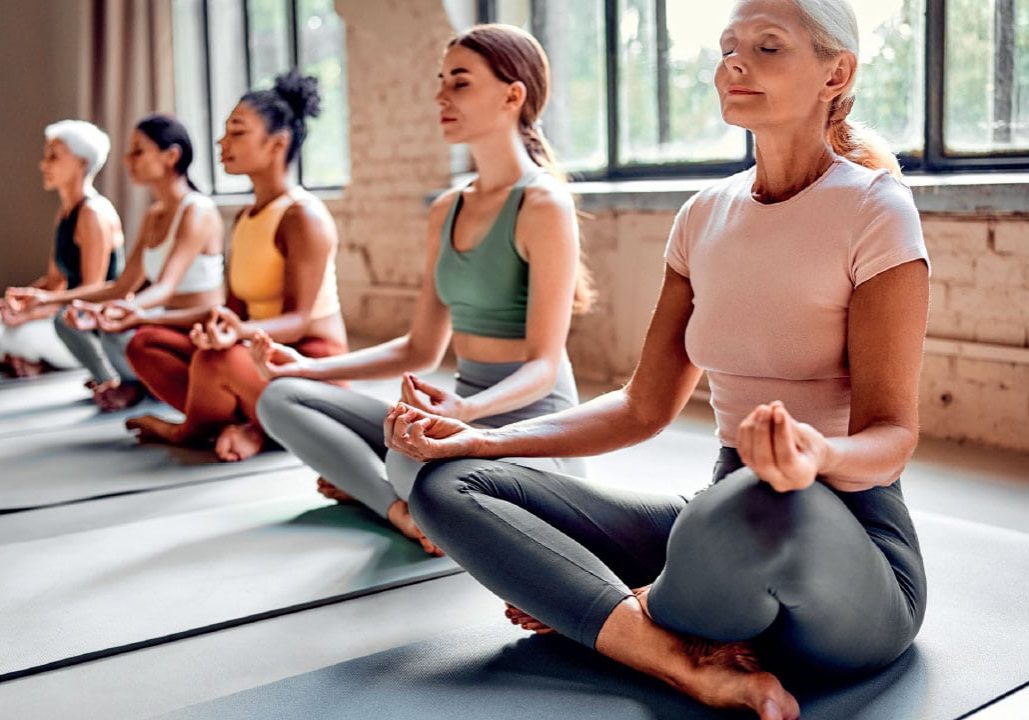
For years, breathwork lived quietly inside yoga classes, meditation groups, and spiritual retreats. Today, it is standing on its own. Breathwork circles are now booked out in major cities. Tech companies are hosting lunchtime breathing sessions. Therapists are weaving pranayama into trauma-informed care. Even professional athletes are using breath practices to improve focus and recovery. Breath is finally being recognised for what yogis have known all along: It shapes the mind, supports the nervous system, and restores balance in a world that asks too much of us.
So why breath — and why now? The answer begins with overwhelm. Modern life keeps many of us in a near constant state of mental strain. Notifications, schedules, long workdays, family pressures, and a background hum of global uncertainty create a nervous system that rarely powers down. People are tired in a way that sleep cannot fix. They are distracted in a way that meditation alone cannot calm. Breathwork has become the accessible bridge between overwhelm and restoration. It is simple, portable, free, and profoundly effective.
WHY PEOPLE ARE TURNING TOWARD THE BREATH
Research on breath is expanding quickly. Studies show that slow, conscious breathing can reduce cortisol, stabilise heart rate variability, and shift the body from sympathetic activation toward parasympathetic ease. This shift is not only calming, it is protective. A regulated nervous system improves digestion, reduces inflammation, supports emotional resilience, and improves clarity of thought. Breathwork is essentially a built-in reset button for the mind and body.
Corporate wellness programmes have begun to take notice. Short breathing practices are being woven into team meetings, leadership trainings, and burnout prevention workshops. A few minutes of guided breath can change the tone of a room. Yoga teachers have known this for centuries. Now human resources departments are discovering it as well.
But the appeal goes deeper than stress relief. Breathwork offers a feeling of agency. It reminds people that they are not at the mercy of their stress response. They can shift their internal state in real time. In a world that often feels out of control, that kind of grounding is powerful.
POPULAR BREATHWORK STYLES
Breathwork is not a single practice, however. It is an umbrella that includes ancient yogic pranayama, modern somatic breathing, athletic breath training, and therapeutic approaches. These are the styles most commonly showing up in mainstream spaces:
Box Breathing
A simple practice used by therapists, meditation teachers, and even military programmes. You inhale for four counts, hold for four, exhale for four, hold for four. The steady rhythm helps calm the mind and anchors attention. It is accessible for beginners and a reliable tool for anxiety, preparation, and focus.
Alternate Nostril Breathing (Nadi Shodhana)
A classic yogic practice that balances the hemispheres of the brain and supports a clear, grounded state of mind. Research shows it can improve cognitive performance and reduce physiological markers of stress. Many yoga teachers now end their classes with a few minutes of this practice because it leaves the mind both steady and awake.
Coherent Breathing
A smooth breath at approximately five to six breaths per minute. It is especially helpful for improving heart rate variability and long-term nervous system regulation. Apps and wearables now guide users through this breath as part of stress management routines.
THE SCIENCE BEHIND WHY IT FEELS MAGICAL
What feels like magic is actually physiology. Breath is one of the only bodily functions that is both automatic and consciously controllable. This gives it a direct line to the nervous system.
Slow breathing activates the vagus nerve, which signals safety to the brain. When the vagus nerve registers safety, the body moves out of fight or flight and into a state of repair and restoration. Muscles relax. Digestion improves. The heartbeat steadies. The mind becomes clearer and more spacious.
Breath also influences brain activity. Slow exhalations regulate activity in the amygdala, the part of the brain responsible for fear and stress. Rhythmic breathing supports the prefrontal cortex, which governs focus, emotional regulation, and decision making. This is why a few minutes of breath can shift someone from scattered to centred.
In many ways, breathwork is the most direct way to influence stress physiology without medication or long training periods. It is portable neuroscience. It meets people where they are, whether that is a commute, a meeting room, or a yoga mat.
BREATH PRACTICES TO SUPPORT CALM & CLARITY
While there are countless pranayama techniques, a few gentle practices are ideal for daily use and accessible to beginners.
1. Simple Lengthened Exhale
Inhale for four. Exhale for six. Repeat for one to three minutes. This pattern encourages the parasympathetic nervous system to take the lead. It is helpful for anxiety, sleep, and grounding.
2. Soft Belly Breathing
Place one hand on the belly and one on the heart. Let the belly rise on your inhale and soften on your exhale. Move slowly without forcing breath volume. This is ideal for emotional regulation and digestive support.
3. Box Breathing for Clarity
Inhale four. Hold four. Exhale four. Hold four. Repeat for several rounds. This creates stability in the mind and is excellent before conversation, work tasks, or transitions. These practices require no equipment and can be done anywhere. They return you to yourself quickly and gently.
THE BREATH AS A CULTURAL SHIFT
Breathwork becoming mainstream is more than a trend. It is a collective recalibration. People are tired of ignoring their bodies. They are tired of pushing through exhaustion. They are beginning to understand that resilience is not built by working harder, but by regulating the nervous system and honouring the body’s natural rhythms.
Yoga has been teaching this for generations. Breath is the first practice that reconnects us to presence, embodiment, and inner steadiness. Its rise in the wellness world signals a shift toward simplicity and sustainability in how we care for ourselves. Breathwork is not replacing yoga or meditation, it is strengthening them. It is opening a doorway for people who may not otherwise explore mind body practices. And it is giving everyone a reminder that healing is not far away. It is already inside you, waiting each time you inhale.
Adeola Obasa is a yoga instructor, wellness specialist and Reiki Master passionate about bringing gentle forms of yoga and meditation to people who may have found these practices previously inaccessible. Visit: yogabyadeola.com or connect @yogabyadeola

Om Magazine
First published in November 2009, OM Yoga magazine has become the most popular yoga title in the UK. Available from all major supermarkets, independents and newsstands across the UK. Also available on all digital platforms.