
Teaching the Class you want to Practice
Don’t forget: you can hold the class that you wish you were taking right now. By Paula Hines
Not too long ago, a video from Jason Crandell popped up on my social media feed. The caption read: “There’s only one person that you can guarantee enjoys your class every single time.”
This prompted me to watch. It appeared to be a clip of a longer video, yet the message came through clearly, crystalised to this piece of advice for teachers: “You can teach the class that you wish you were taking right now.”
Though I’ve never articulated it in this way, I realised that this is something I’ve done for years. It’s one of the things that helps me stay connected to my own practice and to stay inspired to teach.
I’ve written here before on why, as a teacher it’s impossible to please everyone. I don’t believe you should try. It’s okay for some people to appreciate your teaching and for others to decide that you’re not their cup of tea.
Whatever you do, there will always be someone who has a different preference and there is nothing wrong with that. Taking this into account, I agree that if you are in any doubt about what or how to teach, then teaching the class you want to practice is the way to go.
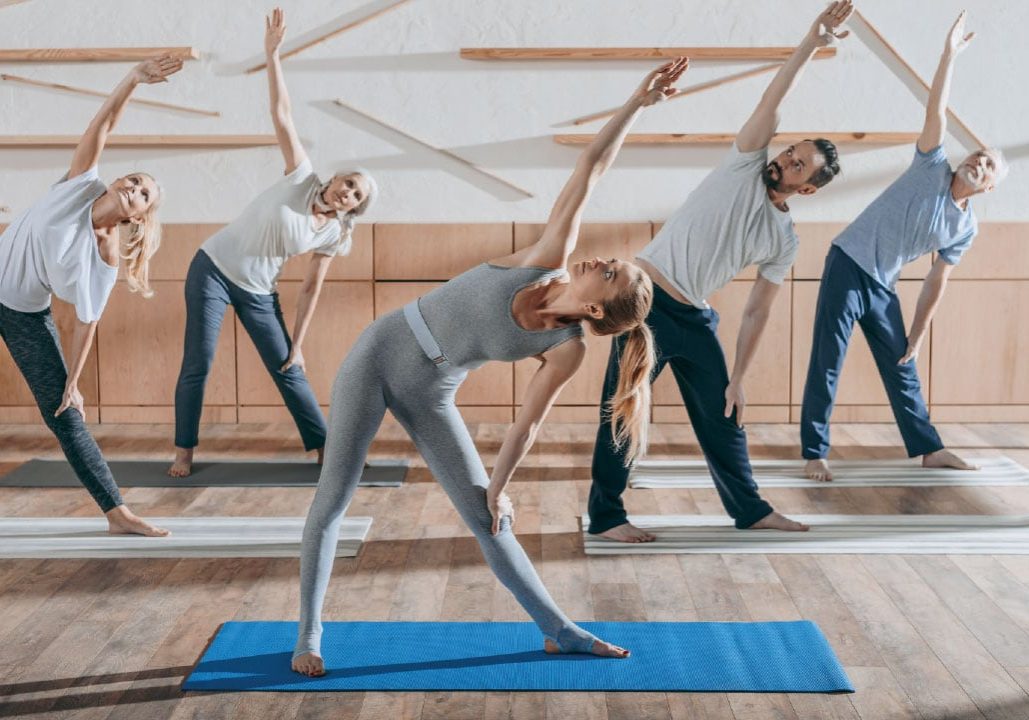
I caveat this to say that doesn’t mean ignoring the students in front of you. I feel it’s essential to be guided by who is in the room. For instance, in asana classes offering the appropriate variations. Or reacting accordingly when the mood in the room calls for a different approach from your original class plan.
Adaptability along with the desire to share the teachings with others matters. When you add the idea of teaching the class you would love to be practicing, I feel, it helps you to teach from a place of authenticity and integrity. (This may be even more pertinent in the age of AI). To paraphrase what Jason talked about in this video clip, it allows the teachings and things you love about the practice of yoga to come through you.
It also allows some of your personality to come through. Being true to yourself and sharing practices you have embodied, rather than something you saw online or something that is currently deemed popular but isn’t a part of your practice really does show. It demonstrates a level of confidence within you, which in turn can inspire confidence in your students.
Paula Hines is a London-based yoga teacher, author, and a regular contributor to OM. To find out more, visit: ucanyoga.co.uk

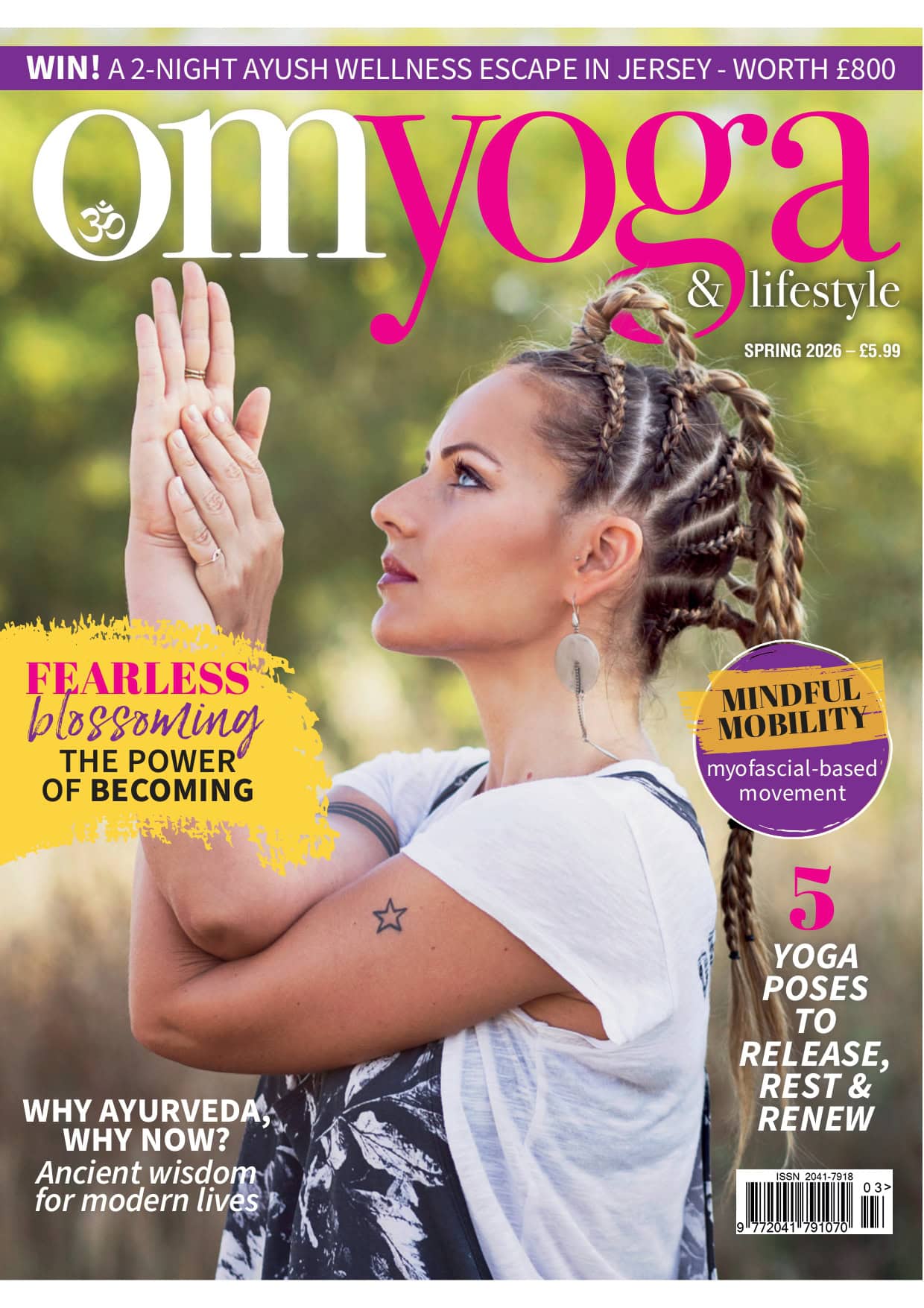
Om Magazine
First published in November 2009, OM Yoga magazine has become the most popular yoga title in the UK. Available from all major supermarkets, independents and newsstands across the UK. Also available on all digital platforms.