No time to Meditate
Tackling life’s many obligations and grappling with a paucity of time means meditation often takes a backseat. This begs the question, how can one make time for yet another task in our already hectic lives?
Reading time: 4 minutes
One of the lasting vestiges of the pandemic has been greater awareness around mental health issues. This has thrust “meditation and mindfulness” firmly into the limelight as one of the methods to enhance one’s mental well-being. Consequently, more than ever, people are curious about these techniques and want to try them, usually with the help of ubiquitous YouTube videos, podcasts or free community classes. A subset of these individuals are sufficiently enthused to enroll on a course. Of those that attend, fewer still manage to incorporate meditation as a habitual activity in their daily routine.
As a meditation teacher, I frequently hear students coyly admitting they haven’t been regular with their practice. Tackling life’s many obligations and grappling with a paucity of time means meditation often takes a backseat. This begs the question, how can one make time for yet another task in our already hectic lives?
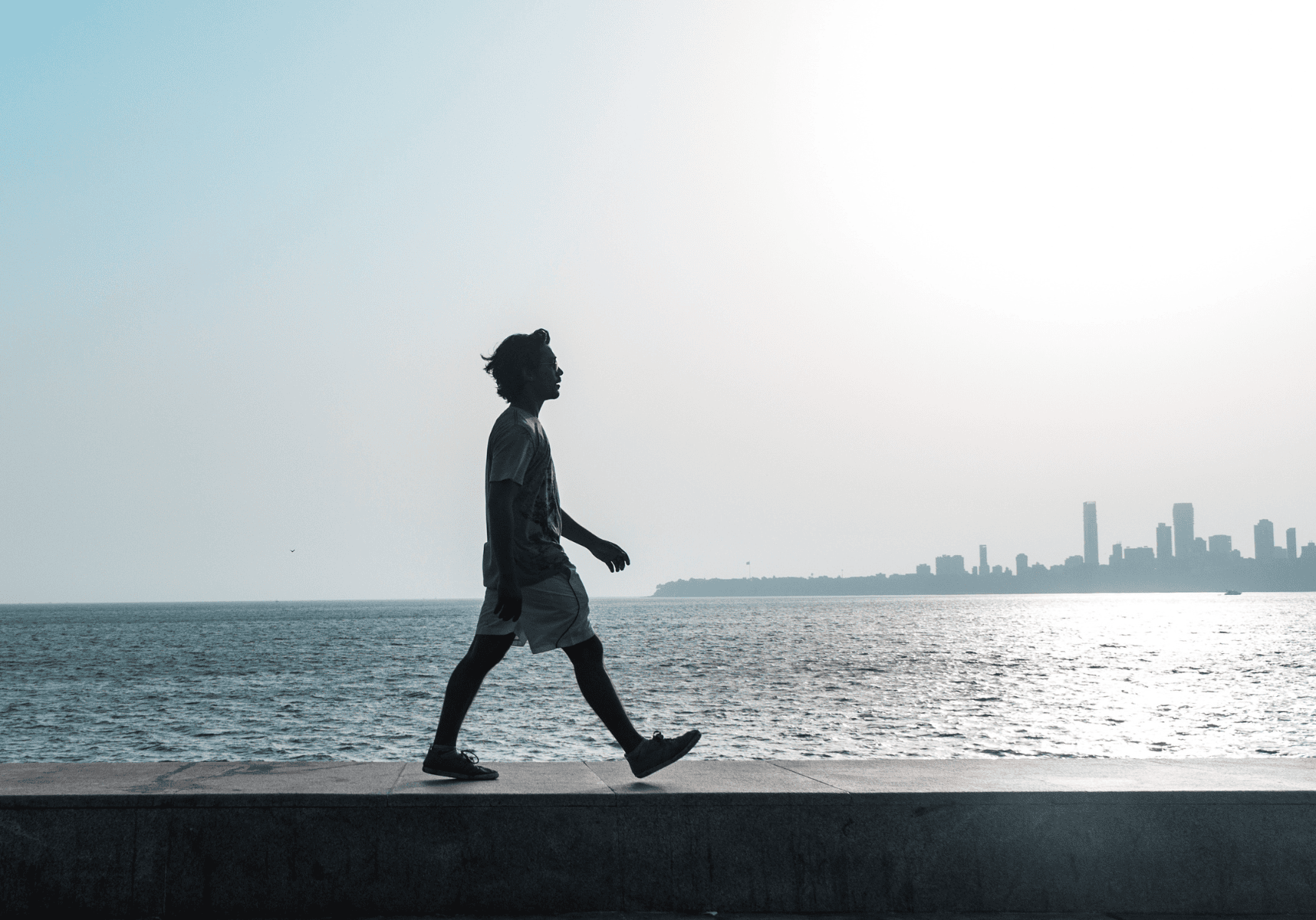
This leads me to the topic of walking meditation, which is a wonderful practice for those pressed for time. Most of us walk to the underground, train stations, bus stops, corner shops or even a farmer’s market, if you are lucky to have one in your town! If you are in too much of a hurry, you can even leverage your short walk to the kitchen to microwave your lunch or to the coffee shop during your working day for this exercise.
The practice of walking meditation is fairly simply. Simply walk naturally so your legs aren’t locked and the weight of the body is distributed evenly over the soles of both feet. As you start walking, briefly tune into your body. Sensing your spine, attune to the feeling of being upright. Acknowledging any aches and pains or any feelings of stiffness in the body. As you begin to walk, bring your attention to the pressure on the soles, as you lift your feet and place them on the ground. Notice the feedback from the terrain. It might seem a rather boring activity but try and persevere with it. The mind is likely to be distracted by the various sights and sounds in the vicinity but simply keep coming back to the body or more closely directing your attention to your feet.
With sufficient practice, you can expand the scope of this exercise to cover the mood of the mind. For example, notice the pulsating urge to get a pizza before the shop closes or the arising of any negative thoughts towards other people. Once you have become adept at noting your moods, loop back to the body and observe how this effects your body as you walk. Does the body feel charged up? Is there a feeling of tightness in the chest or the abdomen as the mind gets agitated? Perhaps you may experience pressure around your eyes or the mouth.
The aim here is to get a feel for the energy that accompanies various thoughts and emotions. As you develop an understanding of how this impacts the body, notice also what happens when you stop to simply observe. Mostly likely, the grip of the thought or emotion softens a little. The body responds with a corresponding sense of ease. Take an active interest in this feeling.
If you begin to do this consistently, you will naturally develop the ability to pause and be in the moment. It will enable you to break the flow of the habitual reveries and obsessions that hijack the mind and cause it to tailspin into a seemingly unstoppable trance. This in turn can aid precious mental energy in being freed from repetitive thought patterns of ideas, regrets and grudges (to name a few). Such discursive thinking can otherwise result in feeling overwhelmed, agitated and anxious; it can leave the mind-body complex completely sapped of energy and enthusiasm.
For those who struggle to make time for a sitting meditative practice, walking meditation is a perfect antidote. It can help unlock the mind’s energy from restlessness and entanglements. As you get proficient at doing this, you will find yourself more often in a state of peace. Like any skill you have learnt in your life, for example driving or learning to play a musical instrument, all it really requires is sufficient practice.
So next time, when you are faced with a jam packed day with too many things vying for your attention, try the walking meditation technique. Even a daily 5 minute spell done mindfully and consistently will yield positive results in your life.

Shweta OShea
As a former banker in the City of London, Shweta O’Shea is a yoga practitioner and certified meditation teacher from the British School of Meditation.