Patanjali’s Yoga: Blending Sutras Into Yoga Practice
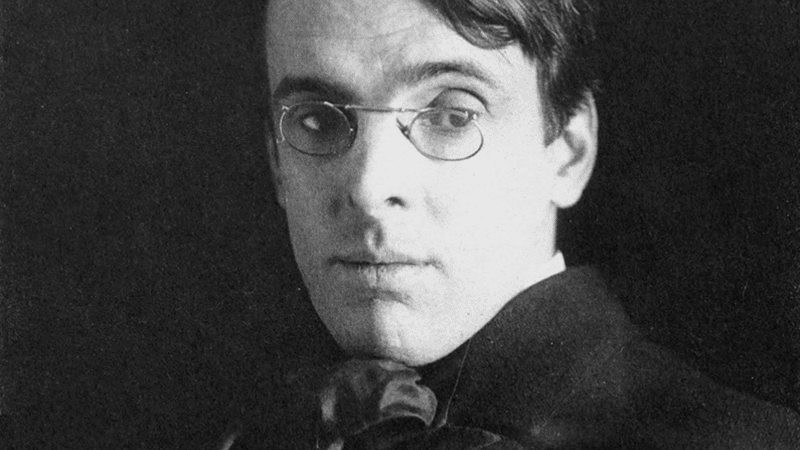
Patanjali, an ancient philosopher, wrote and transcribed the Yoga Sutras, which are recognized even today as a way of living. The Sutras are easy to comprehend, yet they become deeply intricate when fully embodied as a way of life.
Reading time: 3 minutes
Patanjali, an ancient philosopher, wrote and transcribed the Yoga Sutras, which are recognized even today as a way of living. This Ashtanga or eight-limb pathway outlines the eight Sutras (principles) of living a balanced and purposeful life. The Sutras are easy to comprehend, yet they become deeply intricate when fully embodied as a way of life. The first and second Sutras list and define ethical living and self-discipline. The third, fourth, and fifth describe movement, breath, and focus. Finally, Sutras six through eight build on previous Sutras regarding refining concentration and bliss. Of all the Sutras, the third, fourth, and fifth are most easily recognized and incorporated into our modern understanding of yoga practice.
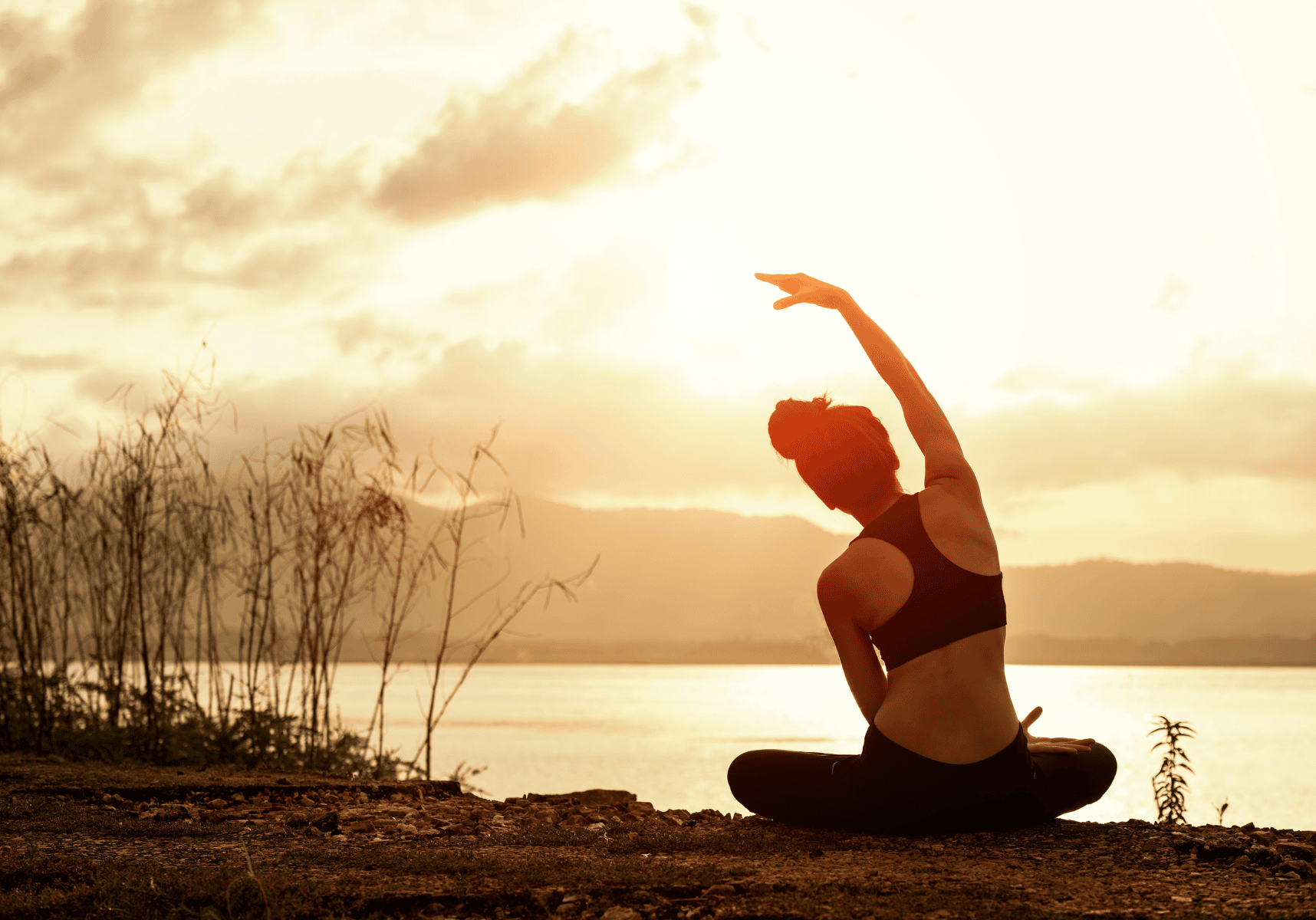
Frequently, it is the third Sutra, Asana (pose), that draws people into yoga studios and practice to improve physical health. Asana reflects the belief that the body is where the spirit lives; thus, it should be thoughtfully cared for. The practiced movement into specific postures in all yoga styles is good for the body. Health and Wellness experts worldwide recognize that even the simplest body movement improves physical and mental health. And connecting Asana to breath, many good things begin to happen in the body.
Pranayama (Breath), the fourth Sutra, is taught to connect the Asanas, and breathing continues while holding certain poses. As students become proficient in moving from pose to pose with the expansion and deflation of the lungs, coordination improves, and many overall benefits of physical movement become evident. Intentionally breathing in and out fills the lungs more completely than the unconscious, automatic breathing we accomplish in everyday living. For every practitioner of yoga, the ability to independently focus on breath and movement will soon bring a meditative state to practice.
The meditative state and fifth Sutra, Pratyahara (focus), is the conscious internal attention and withdrawal of awareness from external stimuli. It is, simply put, thinking. Mental health professionals teach us that the brain can be aware of thinking, and we can choose our thoughts. Awareness of the ability to select thought allows the practitioner to move, breathe, and think intentionally and interdependently.
Combining the actions of Asana, Pranayama, and Pratyahara offers the practitioner the opportunity to elevate yoga practice into a meditative movement where one can discern self and improve life. Studying Patanjali’s Yoga Sutras is a good and worthy endeavor, and combining Sutras three, four, and five is a deliberate and satisfying goal to achieve.

Carrie Bergener
With extensive experience as a Nurse and Yoga Instructor, Carrie Bergener crafts written narrative that is on message and compelling.