Top 5 Asanas for Hip Opening: Physical and Emotional Release
Tight hips are a modern epidemic, though most of us rarely think about it until discomfort sets in.
Reading time: 4 minutes
Tight hips are a modern epidemic, though most of us rarely think about it until discomfort sets in. Daily habits like long hours of sitting at desks or in cars shorten the hip flexors and reduce the natural range of motion in one of the body’s most mobile joints. Prolonged sitting reduces the natural lubrication that keeps joints supple, which in turn leads to stiffness and pain. Even exercise routines that should promote health, such as running or weight training, can compound the problem when they don’t include mobility work. Running, for example, requires repetitive forward motion that strengthens but also shortens certain muscle groups around the hip, leaving little opportunity for the deep external rotation or extension that maintains balance. The result is that athletes and office workers alike often end up with hips that feel closed, tight and immobile.
The benefits of opening the hips go beyond greater flexibility. When mobility improves, the hips can better absorb and distribute the forces of daily movement, which reduces strain on the lower back and knees. People often report standing taller, moving with more ease, and feeling less tension throughout the body once hip flexibility improves. There is also a strong connection between hip tightness and emotional holding. Many yoga teachers and somatic practitioners refer to the psoas muscle as an “emotional junk drawer,” a place where stress and unprocessed experiences are stored. Deep hip-opening postures can bring up unexpected emotions, and releasing this area brings not only physical relief but also a sense of emotional lightness.
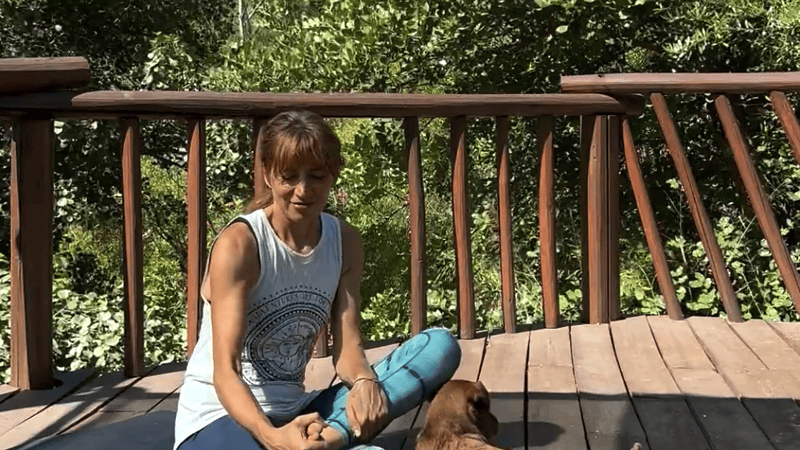
One of the gentlest ways to begin working with this area is Titali Asana, or Butterfly Pose. Sitting with the soles of the feet together and the knees open to the sides, this posture lengthens the inner thighs and groin while encouraging the hips to soften. For people who spend most of their day seated, it gently reverses the shortening of the hip flexors and begins to restore circulation to the pelvis. Practising Butterfly with slow, steady breaths often creates a sense of calm and relaxation, making it a favourite both for beginners and for therapeutic use.
A deeper experience of release is found in Ekapada Rajakapotasana, the One-Legged King Pigeon Pose. This asana externally rotates one hip while extending the other, stretching both the gluteal muscles and the hip flexors. Many runners and cyclists find that Pigeon Pose helps to relieve the dull ache that builds from repetitive forward motion. Beyond its physical effect, Pigeon often provokes strong sensations that demand patience and surrender, which is why it is so often associated with emotional release. Students sometimes describe a feeling of catharsis or unexpected tears arising as tension melts away.
Ardha Padma Asana, the Half Lotus, is another powerful posture for the hips. Often used as a seated base for meditation, it requires external rotation of the hip and gradually develops the ability to sit comfortably and stably for longer periods. This asana does more than stretch; it teaches balance between effort and ease. Over time, Half Lotus strengthens the spine, grounds the body, and invites mental stillness. It is a classic reminder that hip opening is not only about the physical body but also about cultivating the calm awareness that allows us to sit with ourselves.
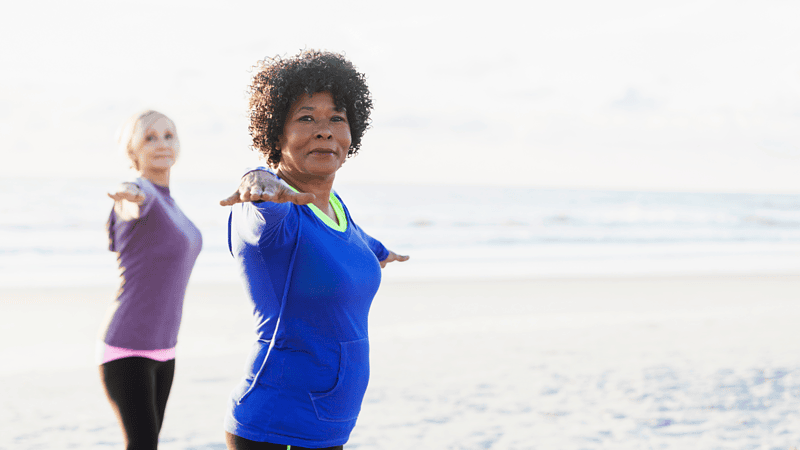
Virabhadrasana II, Warrior II, brings hip work into an active, empowering stance. With the legs spread wide and one knee bent, this asana opens the inner thighs while building strength in the hips and glutes. It combines stability and expansion, grounding the practitioner firmly into the floor while inviting the chest and gaze to open. Many find that Warrior II fosters both physical endurance and inner strength, reinforcing the emotional qualities of confidence and courage alongside the mechanical benefits of increased hip mobility.
Finally, for those ready to go further, Hanumanasana, or Monkey Pose, also known as the splits, provides one of the most intense hip openers. It lengthens the hamstrings of the front leg while deeply stretching the hip flexors and quadriceps of the back leg. Achieving the full expression of Hanumanasana requires not only flexibility but also courage and vulnerability, as the body is exposed and extended. This vulnerability is part of what makes it transformative, as it mirrors the openness we often resist in daily life. Even practicing preparatory variations of the splits can significantly reduce the tightness that comes from sitting or running, and for advanced practitioners it becomes a profound expression of strength, surrender, and liberation.
Taken together, these five asanas address the stiffness created by modern lifestyles, counteract the imbalances of repetitive exercise patterns, and offer the possibility of emotional release alongside physical ease. Mobility training in this area reduces hip and back pain, improves circulation, and enhances overall movement quality, while countless yoga practitioners suggest that opening the hips can also free us in subtler ways, easing stress and supporting emotional wellbeing. When practiced with patience and regularity, Titali Asana, Ekapada Rajakapotasana, Ardha Padma Asana, Virabhadrasana II, and Hanumanasana can transform not only the way we move but also the way we feel in our daily lives.
These powerful practices are often taught in depth during a 200 Hour Yoga Teacher Training in India, where students not only refine their postures but also learn the deeper philosophy and holistic benefits behind them.

Bipin Kumar
I , M a yoga teacher at Gyan Yog Breath