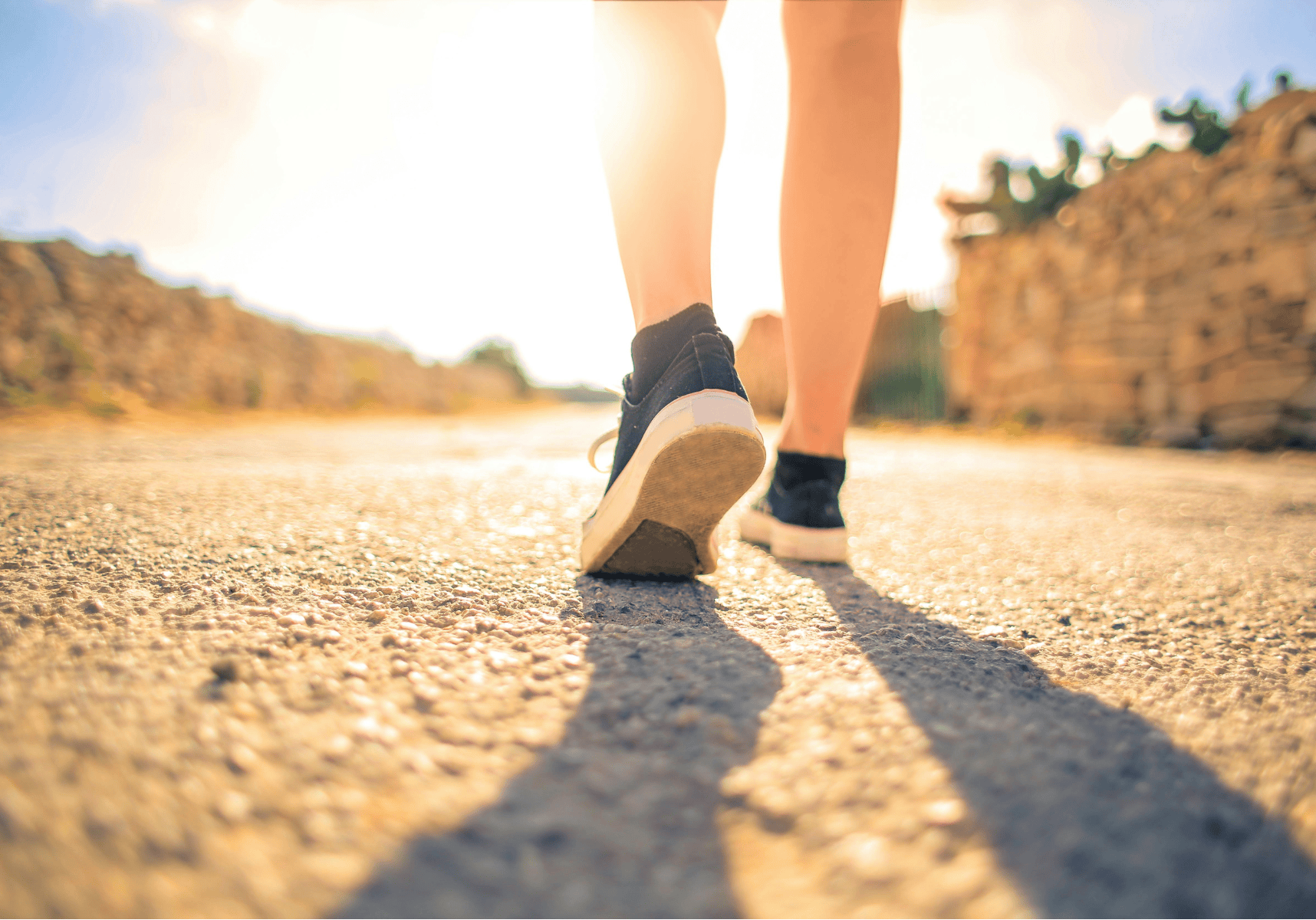
Walking Yoga: A Gentle Path to Wellness
In today’s fast-paced world, carving out time for movement and mindfulness can feel like a luxury. Yet, taking even a few minutes to reconnect with your body and breath can have profound benefits.
Reading time: 3 minutes
Walking yoga offers a simple yet powerful solution—a practice that blends the physical activity of walking with the grounding, mindful principles of yoga. This moving meditation nurtures both body and mind, helping you cultivate awareness, balance, and inner calm no matter where you are. Whether you practice it outdoors among nature, indoors in your home, or even during a brief work break, walking yoga invites you to slow down, tune in, and experience each step fully.
What is Walking Yoga?
Walking yoga is more than just a combination of walking and yoga—it’s a mindful approach to movement. Unlike traditional yoga, which often takes place on a mat in a studio setting, walking yoga is practiced while moving, often outdoors. Its foundation is not speed, distance, or performance, but mindfulness and intention. Each step is paired with conscious breathing, each movement is felt deeply, and the senses are gently awakened to the present moment.
You may incorporate subtle yoga postures or stretches into your walk—rolling the shoulders, opening the chest, or reaching arms overhead as you inhale. The practice emphasizes fluidity rather than rigidity, allowing your body to move naturally with each step. This accessibility makes walking yoga suitable for people of all ages, fitness levels, and experience—no props, special clothing, or prior yoga knowledge required.
Think of it as yoga in motion: instead of transitioning from one static pose to another, your body flows with a rhythm of steps and breath, creating an experience that is both meditative and invigorating.
How can you practise Walking Yoga?
- Set an Intention: Before starting, pause for a few deep breaths. Ground your feet, relax your shoulders, and set an intention for your walk. This could be as simple as seeking calm, clarity, or connection to nature.
- Connect Breath and Steps: Walk at a comfortable pace, syncing your breath with your stride—for instance, inhale for two or three steps, exhale for the same. This rhythm anchors your mind and encourages focus.
- Stay Present: Pay attention to the sensation of your feet touching the ground, the sound of the breeze or birds, and the feeling of your body in motion. Bring awareness to each movement without judgment.
- Incorporate Gentle Movements: Add subtle yoga-inspired movements such as rolling the shoulders, gently twisting your torso, or reaching your arms overhead with each inhale. These micro-stretches enhance mobility and posture.
- Close with Stillness: At the end of your walk, pause for a moment of gratitude. Take a few deep breaths, notice how your body feels, and carry this sense of calm into the rest of your day.
Nurtures both body and mind.
Even a short five to ten minute walking yoga session can reset energy, improve focus, and refresh the mind. For those with more time, longer walks through parks, trails, or quiet streets can deepen the meditative experience.
Benefits for the mind and body:
Walking yoga combines the physical benefits of walking with the mindful qualities of yoga:
- Enhances Physical Health: Regular walking supports cardiovascular health, circulation, and overall stamina. Integrating yogic awareness improves posture, joint mobility, and alignment.
- Reduces Stress and Anxiety: Mindful walking calms the nervous system, lowers cortisol levels, and fosters a sense of ease, making it an effective tool for stress management.
- Improves Focus and Clarity: Focusing on breath and movement helps clear mental clutter, sharpening attention and boosting cognitive function.
- Boosts Mood: Walking outdoors stimulates endorphin and serotonin production. Combining this with mindful awareness amplifies feelings of joy, contentment, and gratitude.
- Accessible Wellness: Walking yoga is gentle, low-impact, and adaptable to all ages and fitness levels, making it an inclusive form of self-care.
Your path to well-being:
The beauty of walking yoga lies in its simplicity. It requires no studio, no equipment, and no lengthy time commitment—just the intention to pause, breathe, and move mindfully. By weaving yoga into the everyday act of walking, you create an opportunity to reconnect with your body, calm your mind, and restore balance in your life.
Try practicing walking yoga during a morning stroll, a lunch break, or as the sun sets in the evening. With each conscious step, you cultivate awareness, mindfulness, and a gentle sense of grounding. Walking yoga reminds us that well-being doesn’t need to be complicated; it lives in the simple, intentional moments we create each day.
Every step becomes a meditation, every breath a reminder that you are present. With walking yoga, wellness is not a destination—it’s a journey, taken one mindful step at a time.

Josie Ferrara
Dedicated RYT-200 yoga teacher, specializing in Hatha,Vinyasa and Restorative. Inclusive classes focus on alignment and breath. Decades of practice; fostering well-being.