Aligning Breath with Movement


By  September 4, 2026

Aligning Breath with Movement

Have you ever considered that breath could be more than just a backdrop for your posture practice? When integrated intentionally, the breath becomes an active partner, seamlessly supporting and enhancing each movement. 

y aligning specific phases of the breath with the demands of each pose—a practice known as biomechanical matching—you can amplify the benefits of your practice, build stronger physical support, and even cultivate a deeper connection to the present moment.


Why Breath Matters in Movement

Each phase of the breath—inhale, exhale, and the pause between—has its own biomechanical qualities that influence how the body moves and supports itself during yoga practice. By understanding these qualities and aligning them with specific postures, practitioners can move with greater efficiency and mindfulness.


The Inhale: Key to Lifting and Lengthening

During the inhale, the ribcage expands and the diaphragm contracts. The result is that the body naturally lengthens and elevates.

This makes the inhale the perfect biomechanical match for extending the spine, as seen in backbends. During inhalation, the spine elongates, reducing pressure on the lumbar region and creating a sense of spaciousness. The buoyancy of the inhale also helps prevent spinal compression, allowing practitioners to explore backbends with greater safety, ease, and depth.


The Exhale: Support for Forward Folding

In contrast, the exhale naturally draws the musculature in and down, making it an ideal companion for movements that require contraction, such as forward folds or spinal flexion. 

An active exhale also tones the core forming a protective "corset" around the lumbar spine. This engagement can make forward folds safer, deeper, and more intentional.


The Pause: Time for Stillness and Integration

The pause in the breath occurs at the top of the inhale and the bottom of the exhale, marking the transition between these two phases. During this brief moment of stillness, the body absorbs—or integrates—the effects of the previous breath.

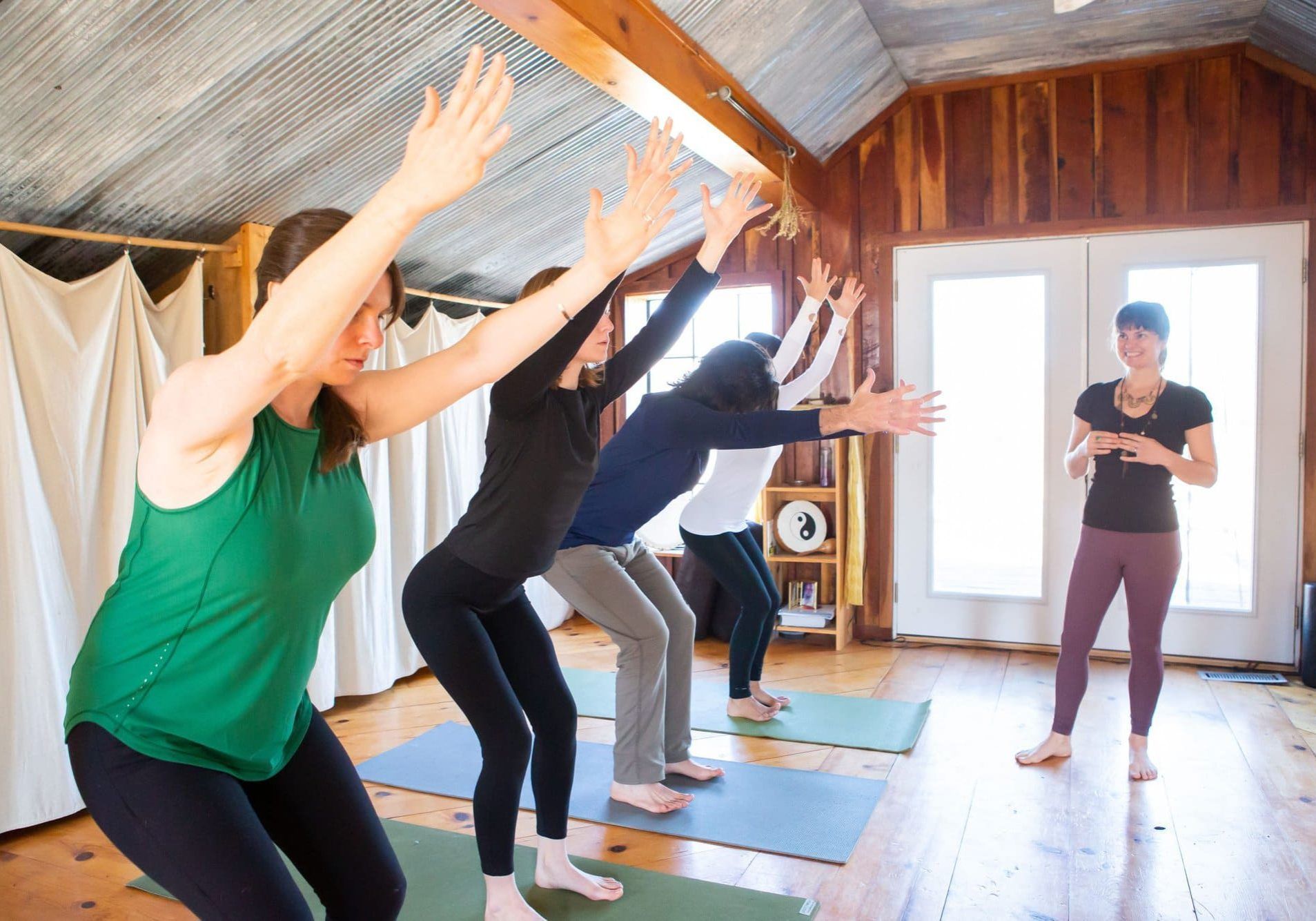
A Biomechanical Approach.


Biomechanically, the pause corresponds to cessation of movement, or stillness. During these precious moments, practitioners have the opportunity to cultivate a deeper awareness of their inner state. This grounding effect helps anchor the body and mind in the present, fostering a sense of stability and clarity that supports intentional movement.


Try It: A Breath and Movement Exercise

Here’s a simple exercise to experience the power of aligning breath with movement:

  1. Backbend with Inhalation
    Start in a standing position with your feet hip-width apart. As you inhale, slowly reach your arms upward and gently arch your upper back. Feel how the inhale creates length in your spine, lifting you upward without compressing the lower back.
  2. Forward Fold with Exhalation
    As you exhale, soften your knees, bring your arms down, and fold forward. Feel the breath drawing inward, hollowing the torso, and creating space for the body to fold.
  3. Pause
    At the bottom of your forward fold, pause for a moment between breaths. Though it may not last very long, notice any degree of ease in the body and quiet in the mind.
  4. Repeat for a few minutes.


This simple practice demonstrates how breath can support and guide your movements, making your practice both safer and more connected.


Your Breath as a Built-In Support System

Integrating breath with movement not only enhances the body's mechanics but also fosters mindfulness and presence. The act of aligning breath with movement can transform our practice into a deeply embodied experience. 


When we access the deep intelligence that resides within the breath, we create space for greater self-awareness and connection. This simple yet profound practice allows us to move beyond the mechanics of postures and embrace yoga as a living, breathing process of (self) discovery.


Latest Posts

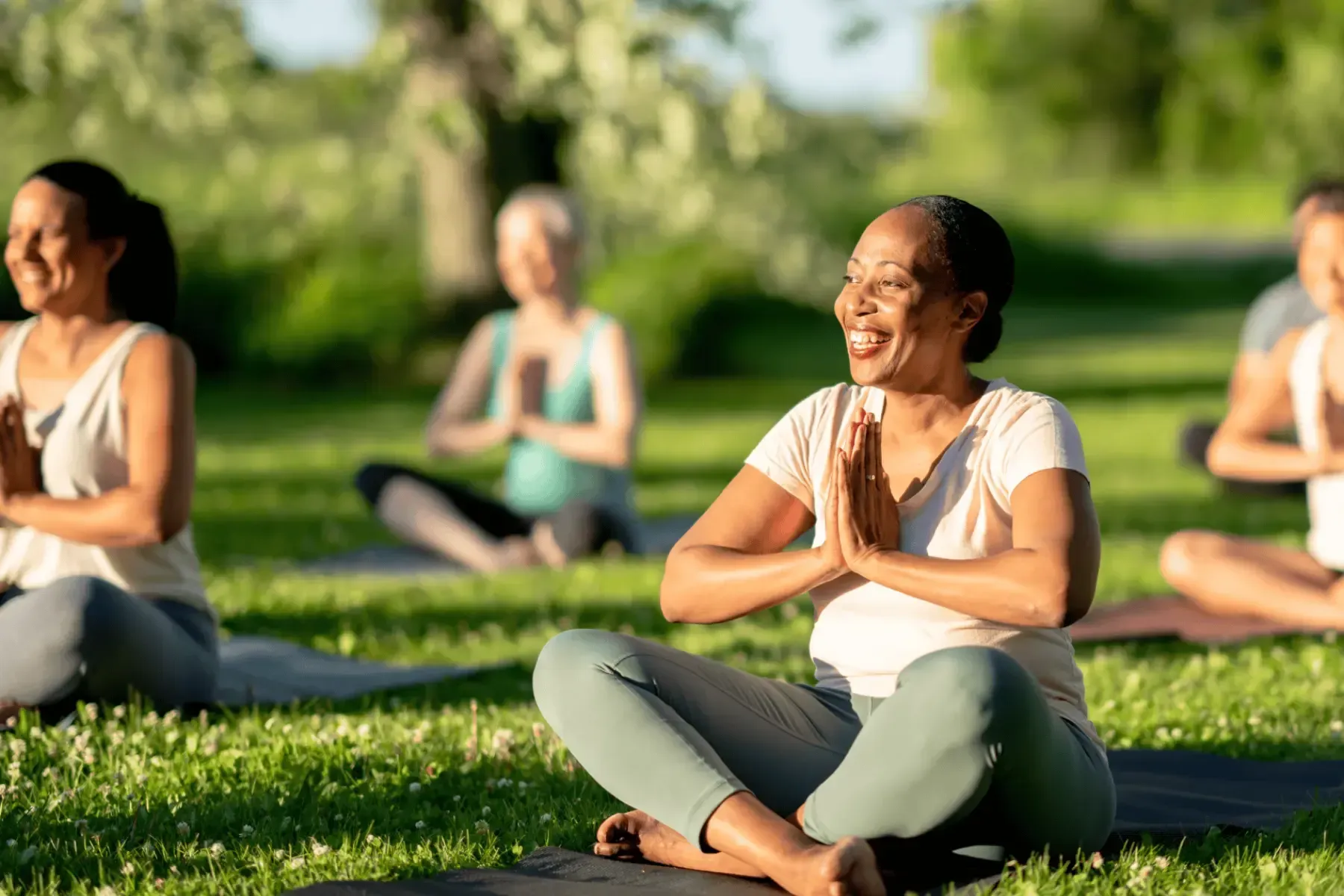
People seated cross-legged outdoors on grass, smiling with hands together in a yoga pose.
By Wendy Jupp September 19, 2026
How vedic chanting can deepen a yoga practice beyond movement, supporting meditation, focus and human connection.
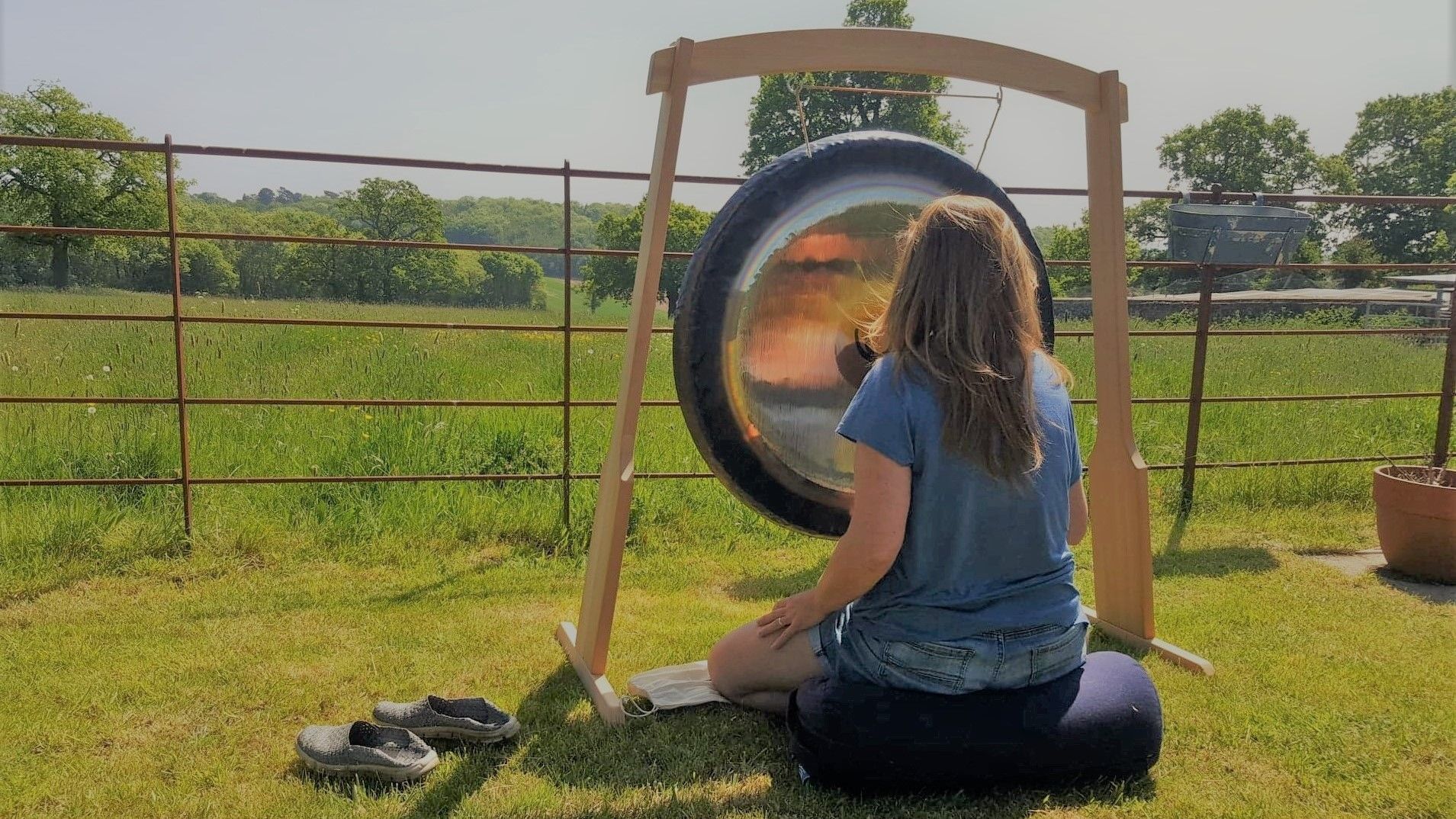
Person sitting on grass playing a large gong outdoors near a fence and trees
By Suzanne Davies September 16, 2026
Gongs are the perfect complement to a yoga practice. They can speed up yogic progress by beating some of the modern world’s challenges and facilitating an easy meditative space. I’m a convert and here are some of the reasons why I believe you should seek out gongs too.
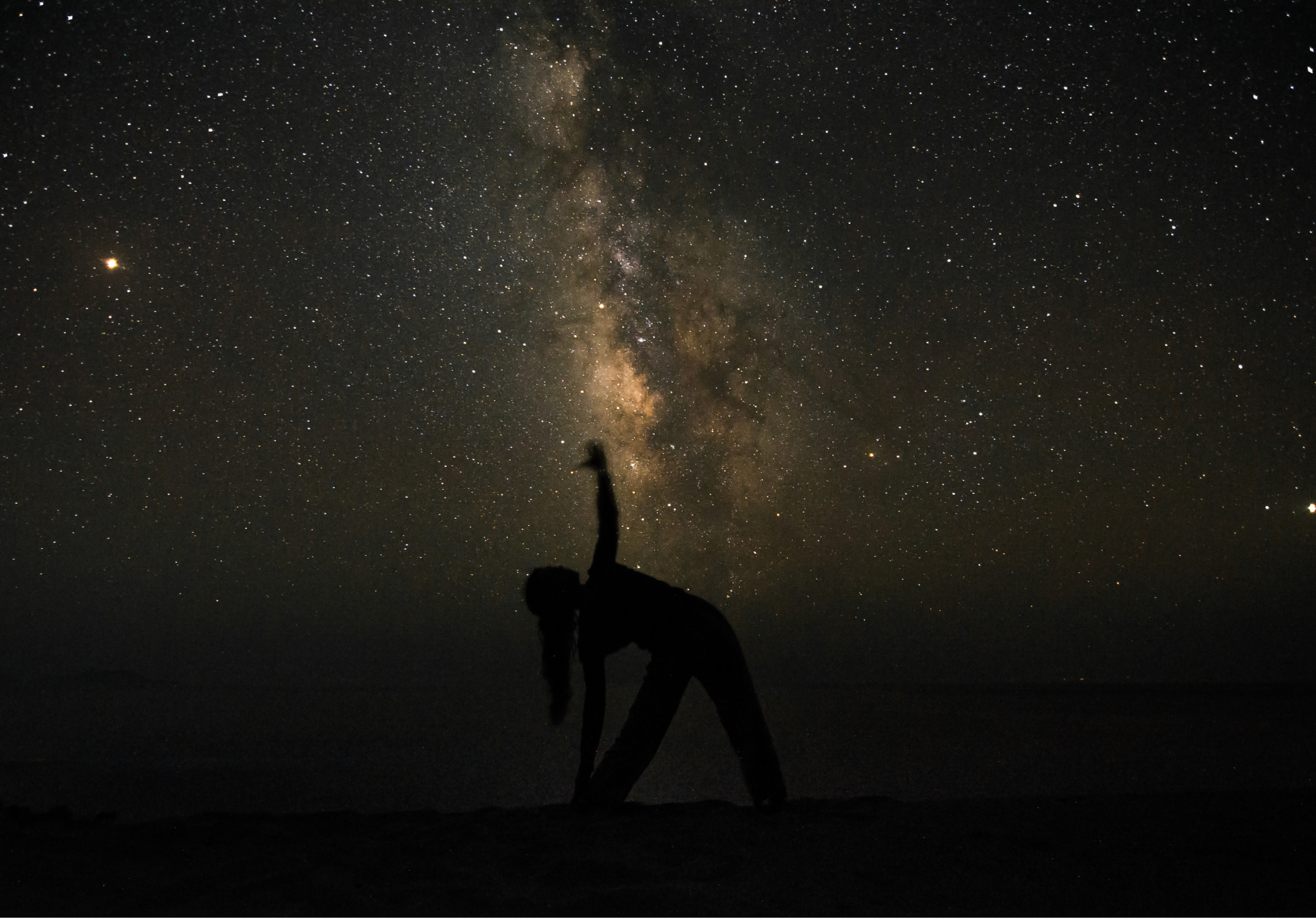
Silhouette of a person doing a yoga pose under the Milky Way at night
September 4, 2026
Beach or mountains? Bali or Portugal? Deep rest or a week that pushes you out of your comfort zone? Astrocartography offers one more way to choose where to roll out your mat.
Assorted chocolate cupcakes and raspberry-topped frosting swirls on a rustic wooden table
September 4, 2026
Chocolate Raspberry Cupcakes
Chocolate-topped dessert bars on a white plate with orange slices and a cup of coffee
September 4, 2026
Sunshine Squares with Chocolate Chunks
Golden-brown herb-sprinkled toasted sandwich triangles stacked on a white plate
September 4, 2026
Vegan Cheese Scones
Frosted square pastries topped with raspberries and mango on a pastel table, with a bowl of mango chunks nearby
September 4, 2026
Pineapple Pastries
Assorted vegetable spring rolls arranged around a bowl of pink dipping sauce on a platter
September 4, 2026
Rainbow Vegetable Spring Rolls With Spiced Plum Sauce
Quiche slices with cherry tomatoes on plates, alongside a green salad and tomatoes on a rustic table.
By Simon Poole September 4, 2026
Broccoli & Tomato Quiche
Grilled stuffed eggplants topped with herbs, pomegranate seeds, and yogurt on a wooden board
September 4, 2026
Miso Aubergine Steaks
Show More