Stop Buying Health. Start Breathing.


By  • September 4, 2026

Stop Buying Health. Start Breathing.

I came to pranayama the way many people come to anything important and not because someone convinced me it was valuable, but because I felt the difference myself.

e spend a remarkable amount of time and money in pursuit of better health. Supplements, sleep trackers, heart rate monitors, the latest nutritional protocol. I am not dismissing any of it, some of it genuinely helps. But after fifty-six years of living and most of them spent studying yoga, I keep coming back to something that requires none of that. The breath. Right here, right now, happening without your permission.

I know how that sounds. Too simple to matter. That is, I think, exactly why it keeps getting overlooked.

The Shift in Perspective

I came to pranayama the way many people come to anything important and not because someone convinced me it was valuable, but because I felt the difference myself. In my early years of practice, I treated it as preparation for the "real" work: the postures, the philosophy, the sitting. Over time, that hierarchy quietly reversed. The breath turned out to be the most direct access point I had found to anything I could honestly call transformation.

It is easy to confuse the external trappings of wellness with actual well-being. We buy gadgets to tell us how we slept, yet we ignore the immediate feedback loop of our own respiration. The true turning point occurs when we stop looking outward and start tuning inward.

The Mind-Body Connection

Yogis discovered this long before anyone had language for the autonomic nervous system or stress hormones. Through sustained self-observation, they noticed that the breath was not simply something the body did, it was something the body and mind did together, inseparably. Change the breath, and the quality of experience changes with it. Become frightened, and the breath goes short and high in the chest before you have even registered the fear consciously. Settle the breath deliberately, and something in the mind begins to follow.

That bidirectional relationship is the whole basis of pranayama. Most people understand it in one direction only, that our emotional state affects how we breathe. The more significant teaching is the other direction: that how we breathe can shift our emotional state. This is not metaphor. The parasympathetic nervous system, the branch responsible for rest and recovery, can be accessed directly through slow, controlled exhalation. The body responds as if receiving information that it is safe. Because in a physiological sense, it is.

Understanding Pranayama

The word pranayama is commonly translated as "breath control," but that flattens something important. Prana is life force, the vitality animating all living things. Ayama is closer to expansion, or cultivation. The practice is not about gripping the breath tightly. It is about learning to work with it, the way a musician learns to work with sound rather than simply produce it.

Patanjali placed pranayama among the eight limbs of yoga not as an add-on but as a necessary stage. His reasoning was practical: before the mind can become genuinely still, the breath must first become steady. This is something you discover experientially quite quickly. Sit down to meditate in a state of agitation and see what happens. The mind has no interest in cooperating. But spend five minutes with conscious, extended exhalation, and something begins to shift. The ancient instruction and the modern neuroscience land in the same place by different routes.
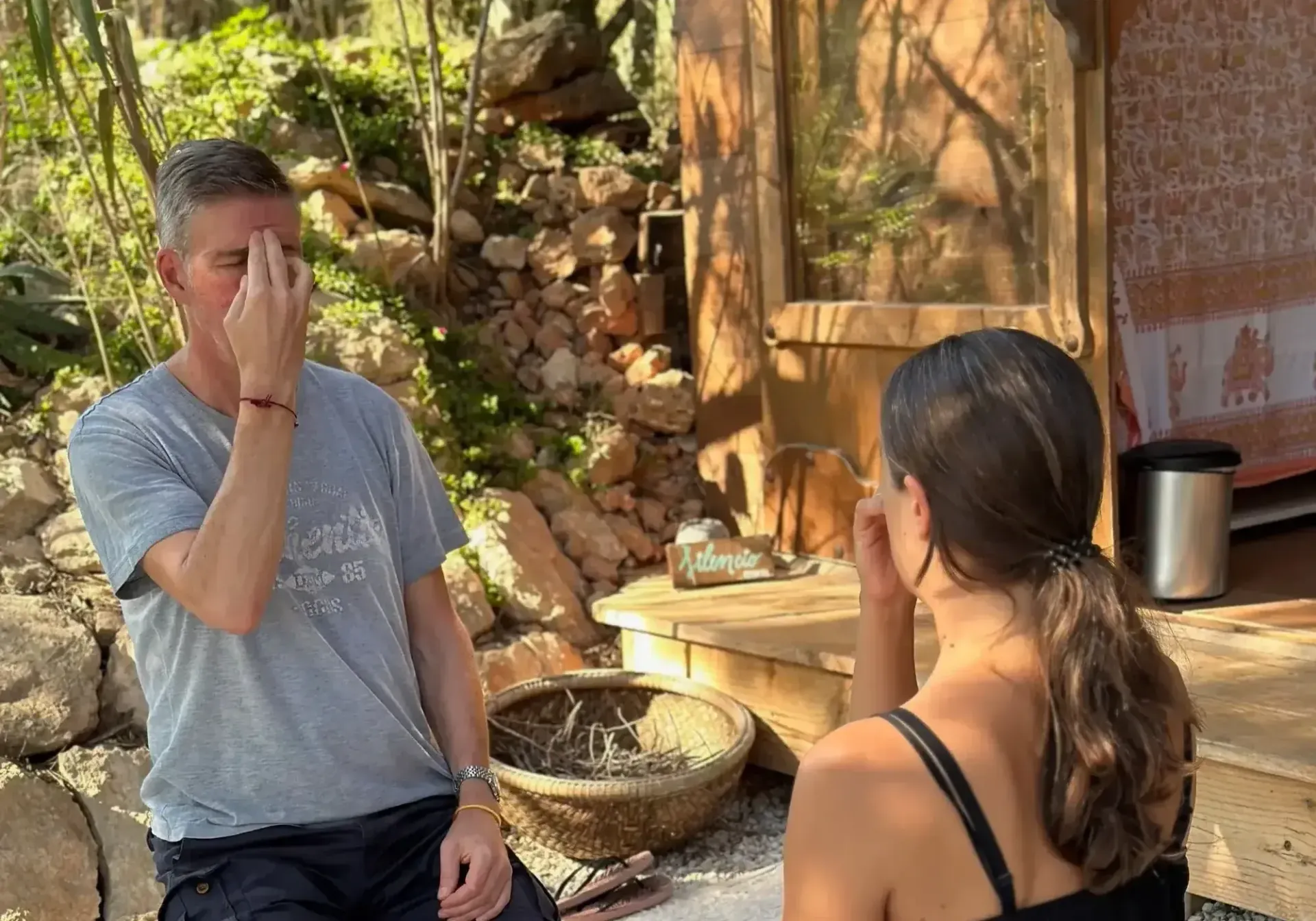
The Mechanics of the Breath

A few things worth mentioning specifically. Nasal breathing matters far more than most people realise, the nose filters, warms, and humidifies incoming air, and the sinuses produce nitric oxide, a molecule with significant effects on circulation and respiratory efficiency. The traditional insistence on breathing through the nose during practice was not arbitrary. It was observation translated into instruction. The diaphragm also deserves more attention than it typically receives. As the primary breathing muscle, it creates the pressure changes that help move lymphatic fluid through the body, a circulatory system with no dedicated pump of its own. Shallow, chest-dominant breaching is one of the quieter costs of chronic stress, and most people who live under sustained pressure have no idea they have drifted into it.

  • Nasal Breathing: Functions as a natural filtration and climate-control system for your lungs while optimizing oxygen uptake.
  • Diaphragmatic Engagement: Massages the internal organs, stimulates the vagus nerve, and drives the lymphatic pump.
  • Conscious Pacing: Regulates heart rate variability (HRV) and signals safety to the brain stem.


A Tool for Transformation

None of this makes pranayama a cure for anything. I want to be clear about that. What it is, at minimum, is a lever which is a genuine way to influence the internal environment of the body in a direction that supports everything else: sleep, immunity, mood, cognitive clarity, recovery. And it is always available. No equipment, no commute, no window of the day specifically reserved for it. A few minutes of conscious breathing can shift things measurably.

What I find quietly astonishing, after all these years, is not that science is catching up to what the yogis observed. It is that the most immediate tool we have for wellbeing is also the one we most reliably ignore. Probably because it requires no purchase. Possibly because it sounds too ordinary to be interesting.


The Continuous Conversation

The breath has been with you since your first moment. It will be with you until your last. The yogis gave it central importance not because it is mysterious but because it is the most intimate thing we do and the body's continuous conversation with life itself.

The only question is whether we are in that conversation, or simply letting it happen around us.


Latest Posts

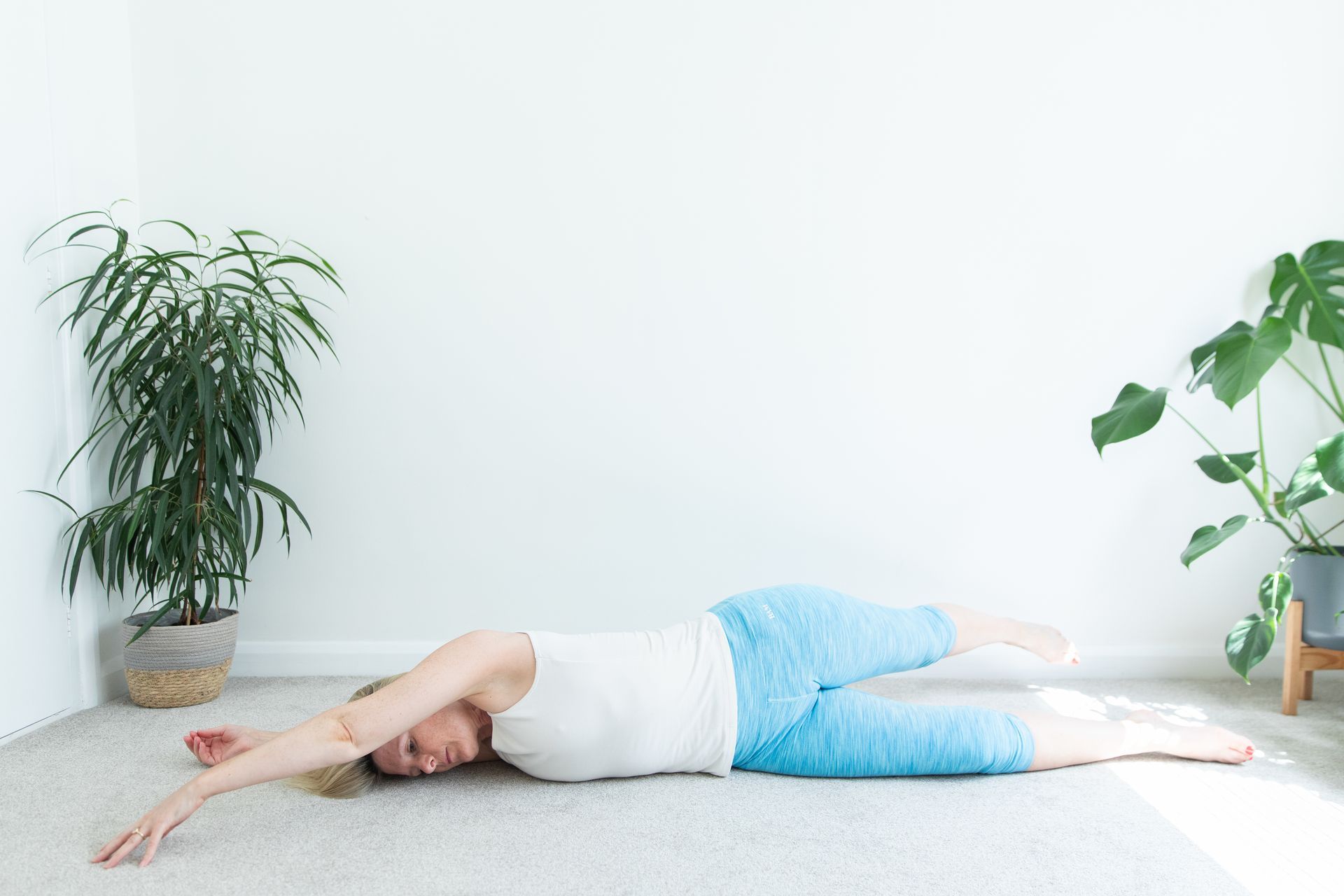
Person lying on a carpeted floor in a bright room, stretching with arms extended near potted plants.
By Liz Underwood CCSE • October 8, 2026
I stopped teaching yoga when I discovered Clinical Somatics, here's why… I remember the day in 2010 that I stopped teaching the yoga classes I had worked so hard to establish - just 5 years after I’d begun my yoga teacher journey, full of inspiration to share this incredible practice. In front of my long term, loyal s
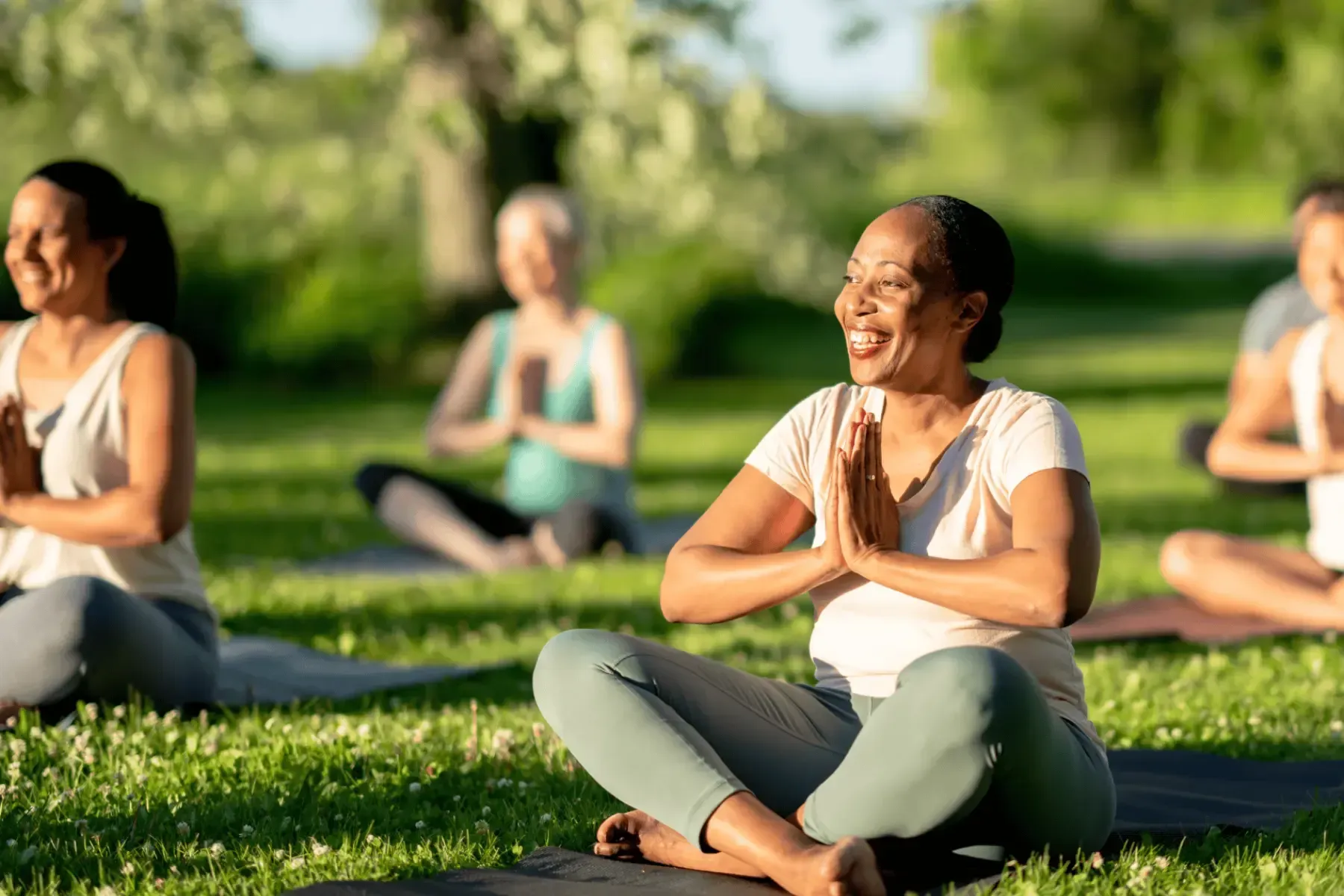
People seated cross-legged outdoors on grass, smiling with hands together in a yoga pose.
By Wendy Jupp • September 19, 2026
How vedic chanting can deepen a yoga practice beyond movement, supporting meditation, focus and human connection.
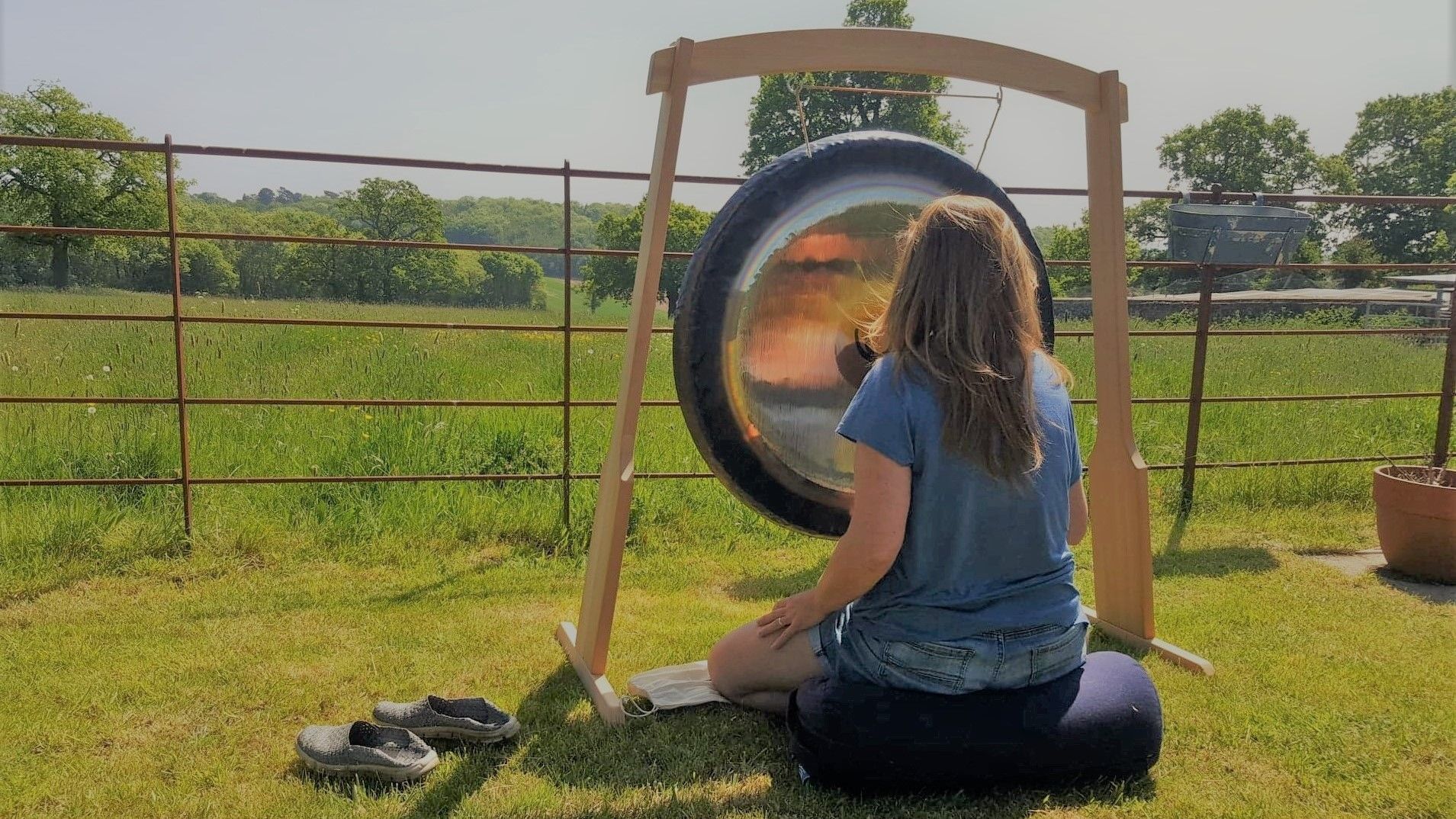
Person sitting on grass playing a large gong outdoors near a fence and trees
By Suzanne Davies • September 16, 2026
Gongs are the perfect complement to a yoga practice. They can speed up yogic progress by beating some of the modern world’s challenges and facilitating an easy meditative space. I’m a convert and here are some of the reasons why I believe you should seek out gongs too.
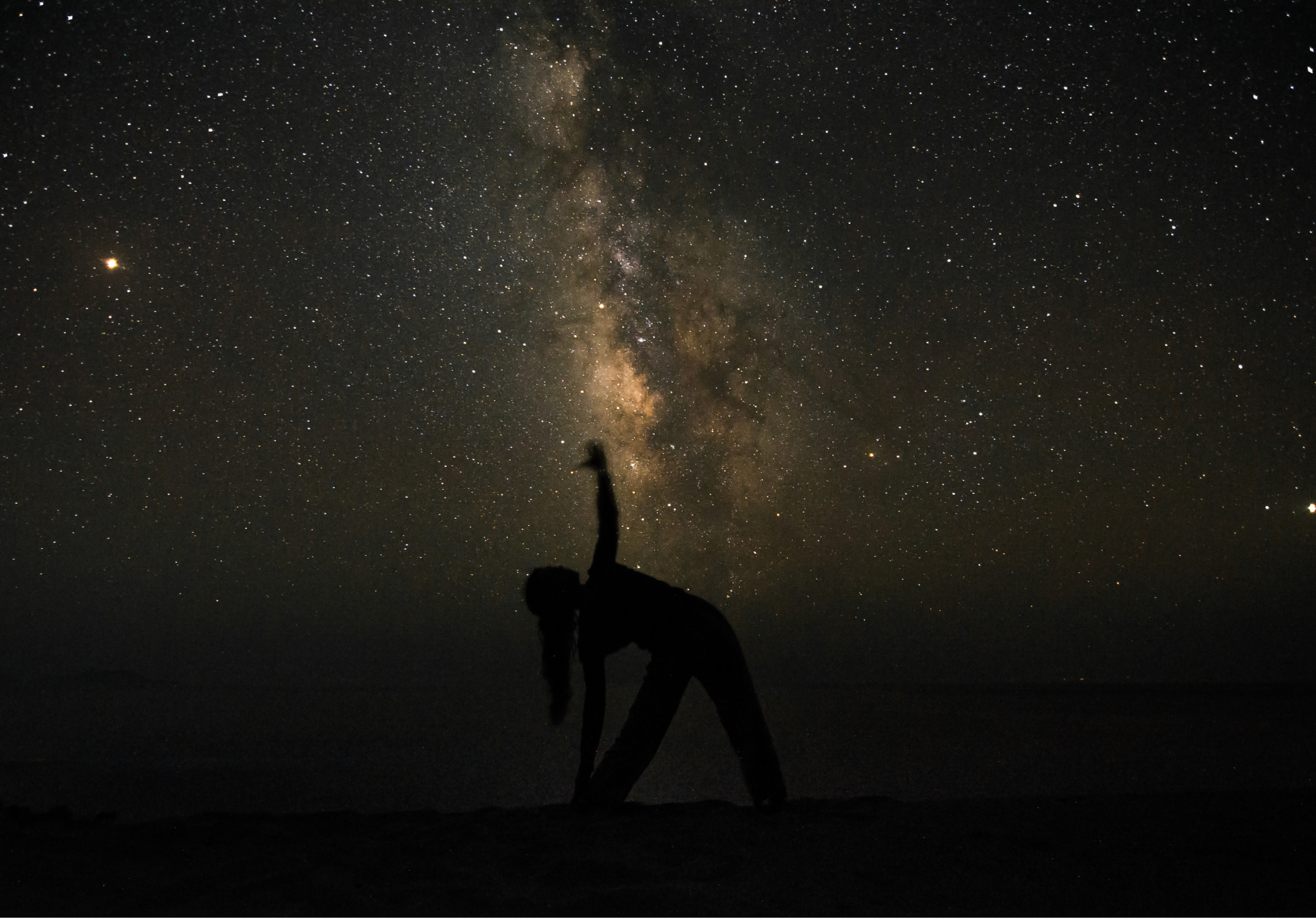
Silhouette of a person doing a yoga pose under the Milky Way at night
September 4, 2026
Beach or mountains? Bali or Portugal? Deep rest or a week that pushes you out of your comfort zone? Astrocartography offers one more way to choose where to roll out your mat.
Assorted chocolate cupcakes and raspberry-topped frosting swirls on a rustic wooden table
September 4, 2026
Chocolate Raspberry Cupcakes
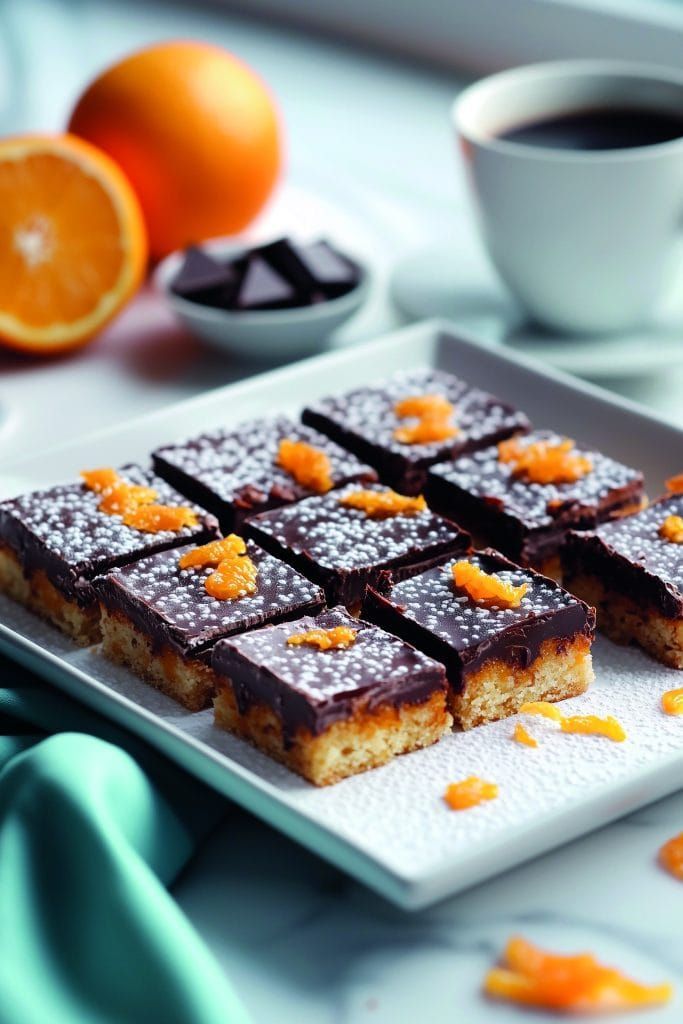
Chocolate-topped dessert bars on a white plate with orange slices and a cup of coffee
September 4, 2026
Sunshine Squares with Chocolate Chunks
Golden-brown herb-sprinkled toasted sandwich triangles stacked on a white plate
September 4, 2026
Vegan Cheese Scones
Frosted square pastries topped with raspberries and mango on a pastel table, with a bowl of mango chunks nearby
September 4, 2026
Pineapple Pastries
Assorted vegetable spring rolls arranged around a bowl of pink dipping sauce on a platter
September 4, 2026
Rainbow Vegetable Spring Rolls With Spiced Plum Sauce
Quiche slices with cherry tomatoes on plates, alongside a green salad and tomatoes on a rustic table.
By Simon Poole • September 4, 2026
Broccoli & Tomato Quiche
Show More